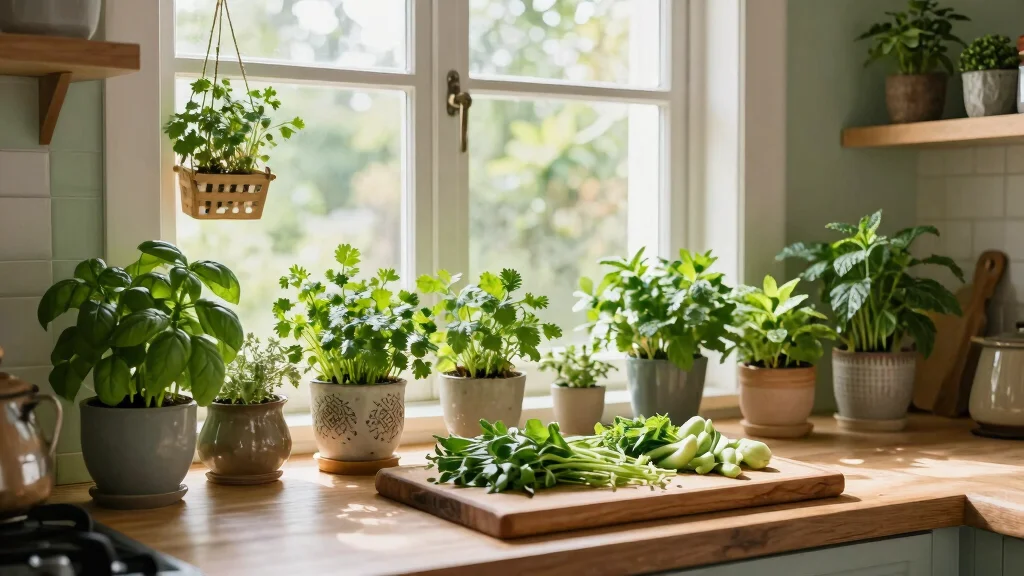
Indoor gardening has become a popular trend, especially for those craving fresh herbs but lacking outdoor space. If you’re anything like me, the thought of snipping off a sprig of basil or thyme just moments before cooking is pure bliss. That’s why I created this guide filled with 13 indoor kitchen garden ideas to help you grow fresh herbs right in your home, no matter how small your space may be.
This post is for anyone who loves cooking with fresh ingredients and wants to add a personal touch to their meals. Whether you live in a tiny apartment or just want to maximize your kitchen’s potential, these ideas cater to all skill levels. You don’t need a green thumb to enjoy the benefits of an indoor herb garden; you just need a bit of inspiration and the right tips.
In this guide, you’ll discover container gardening ideas that are not only easy to implement but also visually appealing. From creative window shelf gardens to charming tea cup herb arrangements, I’ve gathered a variety of practical solutions that will allow you to grow herbs indoors effortlessly. By the end, you’ll have all the knowledge you need to create your own little green sanctuary, ensuring that fresh herbs are always at your fingertips.
Key Takeaways
– Explore 13 unique ideas for creating an indoor kitchen garden that fit any small space.
– Discover how to utilize everyday items like tea cups and repurposed furniture as creative containers for your herbs.
– Learn about various gardening techniques, including vertical and hydroponic options, to maximize your indoor gardening success.
– Get practical tips on maintaining your indoor herb garden to ensure a bountiful harvest throughout the year.
– Understand the benefits of having fresh herbs at home, enhancing both your cooking and overall well-being.
Recommended Products
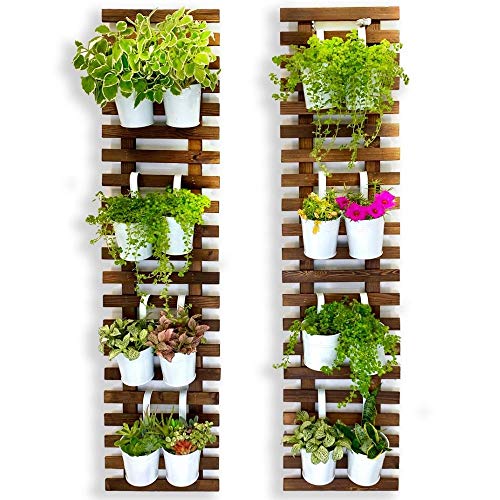
29x120cm (11.4" x 47.2") x 2 pcs. Plants, flowers, pots, decorations are NOT included

Space-Saving : This strawberry planter maximizes your gardening space by stacking 5 layers to grow more plants in a compact area. The strawberry tower planter is ideal for patios, balconies, or indoor use

1. Vertical Herb Garden for Small Spaces
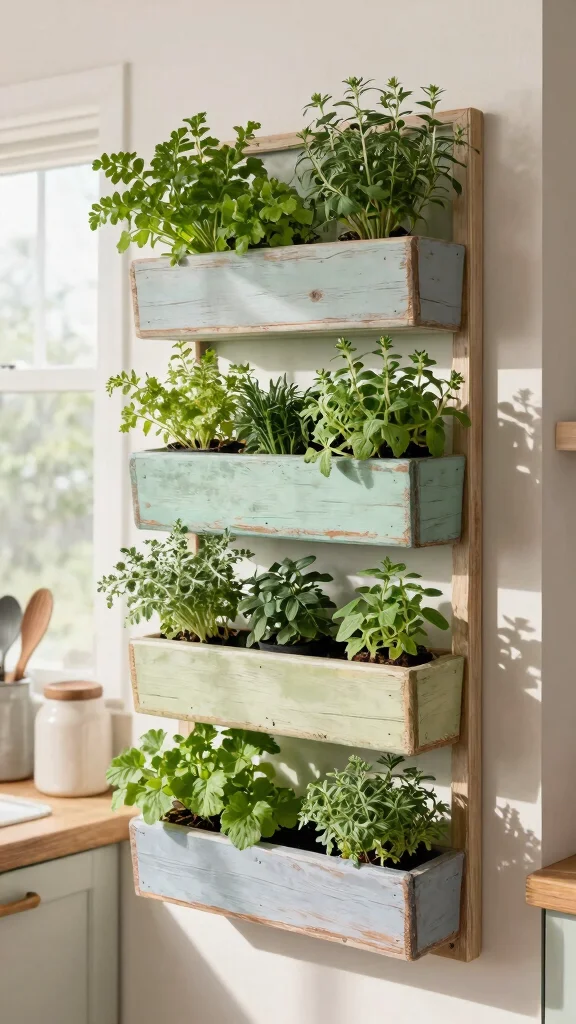
Feeling cramped in your kitchen but still want fresh herbs? A vertical herb garden is your answer! This creative solution is perfect for small apartments, allowing you to grow your favorite herbs without taking up precious floor space.
By using wall-mounted planters or hanging pots, you not only save space but also create a stunning visual display. Choose materials like recycled wooden pallets or tiered shelves to enhance your indoor garden. Herbs like thyme, mint, and chives thrive in these setups, giving you fresh flavors and endless cooking inspiration!
Tips:
– Ensure adequate sunlight by placing the vertical garden near a window.
– Use lightweight containers to avoid damaging walls or shelves.
– Mix herbs with different textures and colors for visual appeal.
Recommended Products

High planting efficiency: Start an indoor herb garden with the Ahopegarden hydroponic growing system, which includes a water reservoir, an overhead LED grow light, and a circulation system that keeps the water fresh. The hydroponic setup and lighting systems allow plants to grow up to faster and healthier in controlled conditions. Simply add plant seeds, water, and nutrients to the reservoir and watch the plants grow

High planting efficiency: Start an indoor herb garden with the Ahopegarden hydroponic growing system, which includes a water reservoir, an overhead LED grow light, and a circulation system that keeps the water fresh. The hydroponic setup and lighting systems allow plants to grow up to faster and healthier in controlled conditions. Simply add plant seeds, water, and nutrients to the reservoir and watch the plants grow

Avant-garde and modern design: Our smart hydroponics growing system kit merges urban farming innovation with minimalist aesthetics. Crafted from durable ABS, its 17" space-saving profile features an LCD touchscreen for one-touch control, perfect for tech-savvy gardeners or as a unique gift. The integrated full-spectrum panel adapts seamlessly to indoor hydroponics, blending functionality with sleek vertical farming appeal.
How To Choose The Right Indoor Herb Garden
Choosing the right indoor herb garden can make a significant difference in your kitchen gardening experience. Follow these guidelines to find the best fit for your needs and space.
1. Size Matters
Consider the size of your indoor space. Do you have a small kitchen counter or a large window sill? Measure the area you plan to use for your herb garden. A compact setup is ideal for small spaces, while larger setups can accommodate more herbs. Remember to leave room for light and airflow around the plants.
2. Container Type
Select the right type of container based on your herbs and space. Options include traditional pots, wall-mounted planters, or vertical gardens. Terracotta pots provide good drainage, while ceramic or plastic containers can retain moisture better. Ensure your containers have drainage holes to prevent overwatering.
3. Light Requirements
Different herbs have varying light needs. Assess the natural light in your kitchen. Most herbs, like basil and parsley, thrive in 6-8 hours of sunlight daily. If your space lacks sunlight, consider grow lights to supplement. Choose a garden that allows for easy light access or is compatible with artificial lighting.
4. Watering System
Evaluate how much time you want to spend on maintenance. Some indoor garden kits come with self-watering features, which can save you time. If you prefer a traditional approach, make sure you can easily access the plants for watering. Consistent moisture is crucial for healthy herbs, so choose a setup that fits your routine.
5. Herb Variety
Decide which herbs you want to grow. Some may require more space and specific conditions than others. Common choices like mint, thyme, and cilantro can thrive in smaller containers. If you’re adventurous, you might try growing rarer herbs. Make sure your selected garden can accommodate the varieties you choose.
6. Budget
Indoor gardening can range from budget-friendly options to more expensive setups. Consider how much you’re willing to invest. Simple window boxes or repurposed items like jars can be cost-effective. If you prefer a more sophisticated system, look at hydroponic or vertical gardens, which may require a higher initial investment but can yield more herbs in the long run.
💡 Pro Tip: Start with easy-to-grow herbs like basil, chives, or mint. They are forgiving and can help you build confidence as you learn about indoor gardening. Once you’re comfortable, you can explore more complex varieties.
By following these steps, you’ll be well on your way to creating a thriving indoor herb garden that suits your lifestyle and kitchen space. Happy gardening!
Recommended Products

PATENTED SMART HYDROPONIC SYSTEM: Take your indoor gardening to the next level with our patented smart hydroponic system, featuring the exclusive LetPot app. With just a few taps on your phone, you can effortlessly adjust the 0-24 hours LED lighting schedule to provide your plants with the perfect amount of light and precies on/off time. Our innovative reminder system also ensures you never forget to water your plants again, making growing healthy and vibrant plants easier than ever before.

5 TIMES FASTER GROW: Hydroponics growing system with a 24-watt LED light that simulates the effects of sunlight which promotes photosynthesis for plants. Even if leave indoor garden in a corner, plants also germinate and grow quickly. Harvest fresh all year round. indoor herb garden LED panel can be adjusted to 180°maximum and 21 inches maximum height. Compact design fits on any windowsill or kitchen shelf, gardening gifts for women

15 Herb Seeds Variety Pack – 4,300 Seeds Included: Start your own herb garden with this all-in-one heirloom herbs seeds kit. Includes Genovese Basil, Sweet Basil, Italian Oregano, Rosemary, Thyme, Cilantro, Dill, Mint, Sage, Lavender, Chives, Garlic Chives, Parsley, Chervil, and Scallions. Each herb seed packet is USA-sourced and tested for high germination. Grow these herb garden seeds in your backyard, windowsill, raised beds, or pots for fresh flavors all season long.
2. Window Shelf Garden
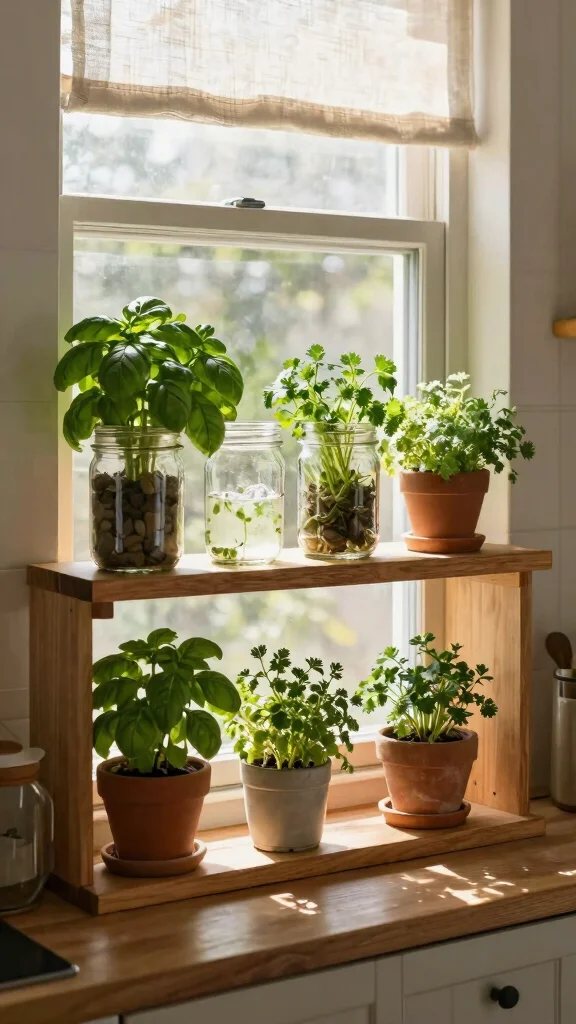
Do you often overlook your window sill? Transform it into a mini herb paradise! A window shelf garden takes advantage of natural light while keeping your herbs within easy reach.
Opt for shallow pots for easy movement, or get creative by repurposing old jars for a unique touch. Fresh herbs like basil, oregano, and cilantro thrive with just the right amount of sunlight, filling your kitchen with delightful aromas and flavors. Cooking becomes a joy when you have fresh herbs at your fingertips!
Kitchen Gardening Tips:
– Rotate your pots slightly every few days to ensure even growth.
– Use well-draining soil to prevent waterlogging.
– Mist the leaves occasionally to maintain humidity, especially during dry months.
3. Herb Garden in Tea Cups
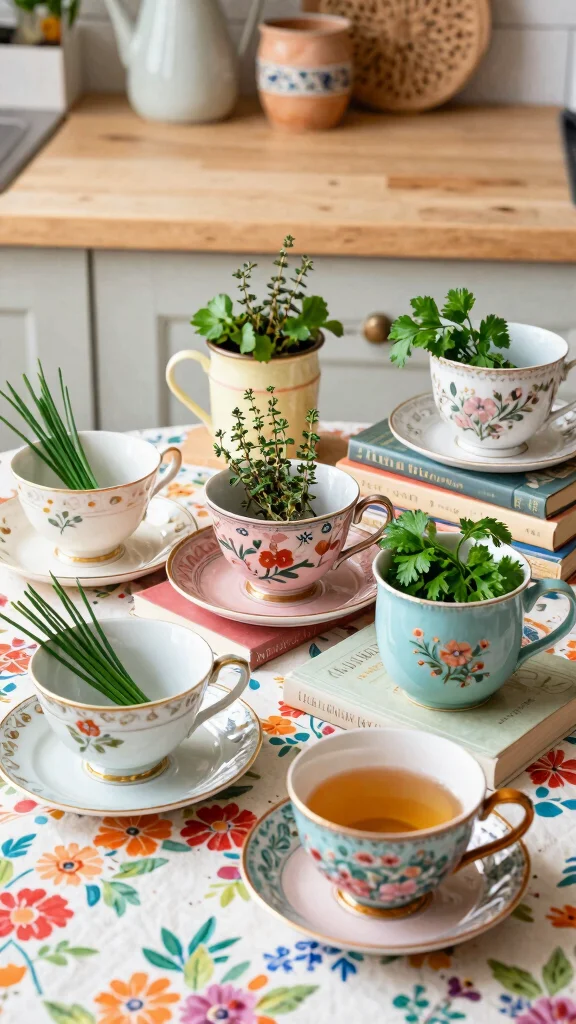
Looking for a fun twist on herb gardening? Use vintage tea cups or mugs to plant your herbs! This charming approach adds personality to your kitchen while keeping your herbs cute and accessible.
Opt for smaller herbs like chives or thyme that do well in tighter spaces. You can even personalize each cup with paint or labels for a playful touch. Place these delightful cups on shelves, tables, or windowsills to brighten up your cooking space.
Container Gardening Ideas:
– Ensure the cups have drainage holes; if not, create them carefully.
– Group different types of cups for a whimsical look.
– Use colorful herbs to match the colors of your tea cups for a cohesive design.
Recommended Products

🍋INDOOR & OUTDOOR USE: vertical wall hanging planter made of high quality durable PP resin material, safe and non-toxic, this polypropylene resin planter is a tough, lightweight , all-weather durability with UV protection for outdoor use, an alternative to clay or ceramic planters. Pull out drainage plug to allow for the removal of excess rainwater when installed outdoors. Install drainage plug when used indoors. SIZE (L*W*H): 25cmx15cmx21cm; 12 x “S” hooks of stainless steel included.
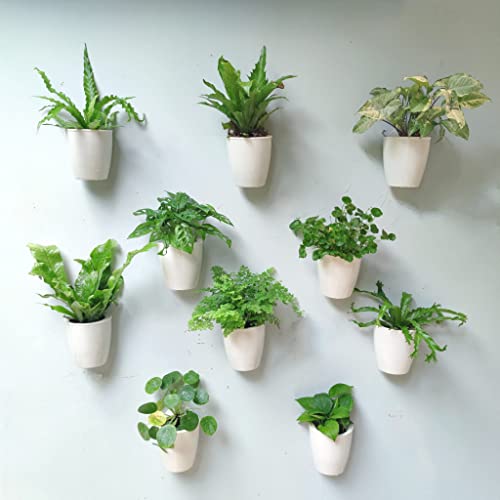
10 pack set: 5 inch (outer pot); 3.8 inch (inner pot), small size, fit 3-3.5” nursery pot. Check image for detailed dimension and pick the right size for your plants to prevent unpleasant experience and potential wastage on resources

Durable Material Comes with 12 Hooks and 6 Screws: Self-watering wall planter made of high-quality durable resin material, safe and non-toxic. Lazy flower pot size (inner diameter*outer diameter*height): 5.7"x7.3"x6.1"; Comes with 6 * steel S hooks + 6 * non-destructive self-sticky hooks + 6 * screws + 15 feet self-watering wick for DIY self-watering system.
4. Hanging Herb Garden
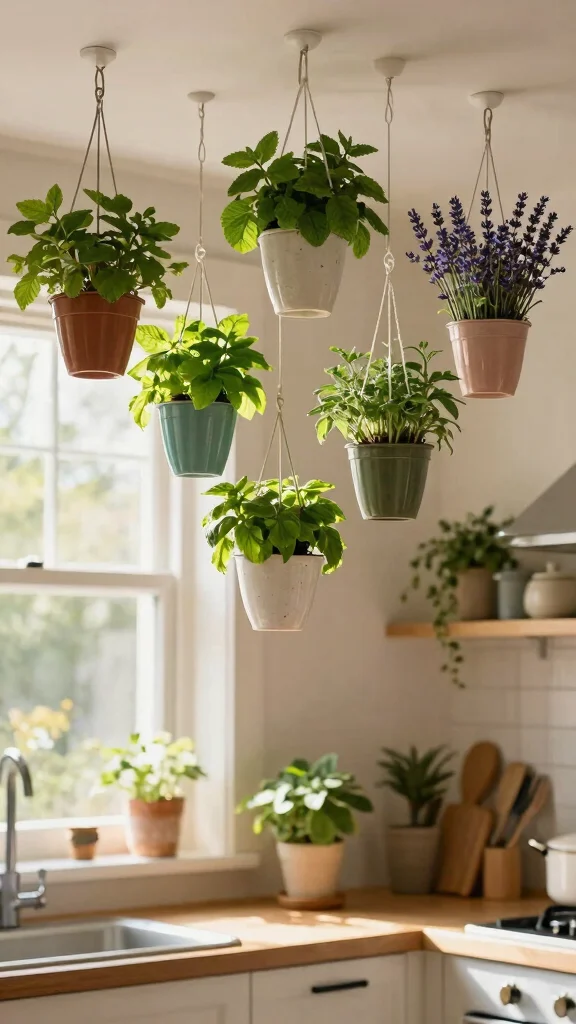
Want to make the most of your kitchen’s vertical space? Create a hanging herb garden! This inventive idea not only saves counter space but also adds a playful element to your kitchen decor.
Use macramé hangers or simple hooks to suspend pots filled with herbs like mint, creeping thyme, or even strawberries. This setup allows for a beautiful display while keeping your herbs easily accessible. Hang them near a window or over a kitchen island for an eye-catching focal point.
Growing Herbs Indoors:
– Ensure each pot is securely fastened to avoid accidental falls.
– Choose lightweight pots to make hanging easier.
– Rotate the pots regularly to ensure all sides receive direct sunlight.
Recommended Products

[MINIMAL FOOTPRINT & MAXIMIZED SUNLIGHT] Save your valuable floor area! Designed to occupy very little ground space, this ergonomic trapezoid 5-tier vertical garden planter raised bed maximizes your growing capacity vertically. The smartly staggered structure ensures no plant is shaded, allowing every leaf to receive full sunlight and moisture. Whether on a narrow balcony or compact patio, this versatile vertical raised garden bed is perfect for harvesting fresh veggies, herbs, and blooms!

【 Vertical Planter Raised Beds with Trellis】Perfect for home gardening lovers, this vertical herb garden planter indoor kit with 4 rectangular planter boxes outdoor let you plant vegetables, herbs, and flowers in separate flower pots while the 11-inch trellis supports climbing plants like tomatoes, strawberries, vines, and peppers. The raised flower beds outdoor create an optimal environment for your plants to thrive.
5. Herb Spiral Garden
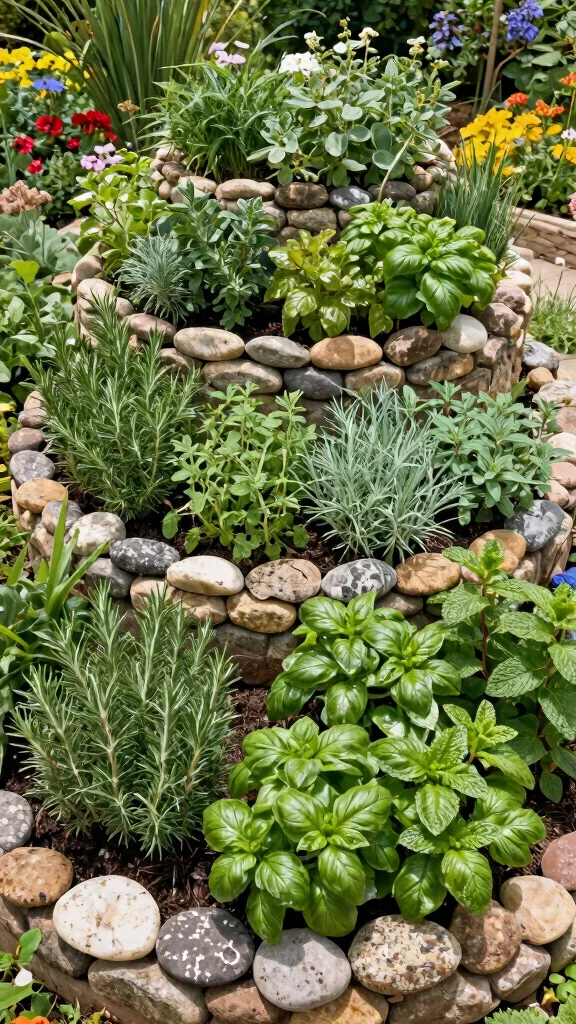
Ready for a gardening challenge? Design a herb spiral garden! This unique layout maximizes space while allowing a variety of herbs to flourish in your kitchen.
Construct the spiral from stones or bricks, creating different microclimates for diverse herb needs. Place drought-resistant herbs like rosemary at the top and moisture-loving herbs like mint at the bottom. Not only does it look stunning, but each herb gets the ideal growing environment tailored to its needs.
Tips for Success:
– Choose a sunny spot for maximum growth.
– Plant herbs according to their water needs.
– Consider adding edible flowers or companion plants to enhance biodiversity.
Did you know? In an indoor kitchen garden, a herb spiral can hold 8–12 herbs in just 3 feet of space, thanks to microclimates from top dry to bottom moist. Place rosemary at the top and mint at the bottom for thriving, space-saving flavor on demand.
Recommended Products

Grow Fresh Herbs and Vegetables Indoors: energy-efficient LED grow lights ensure your plants thrive no matter the weather.

Complete All-In-One Kit - No need to buy separate supplies. This herb starter set comes with 4 plastic planter pots, 4 soil discs, 4 plant markers 4 heirloom herb seed packets, and essential planting tools—everything you need to start your indoor herb garden immediately.

Smart Monitoring Screen & Low Water Alarm: Ahopegarden hydroponics growing system kit features an LCD screen displaying real-time temperature and humidity. To prevent dry-outs, a low water alarm flashes red on the touch panel when the level drops below 1L. Powered by efficient LED grow lights, this herb garden ensuring your basil thrives. It is the ultimate germination kit for success from seed to harvest.
6. Floating Herb Garden
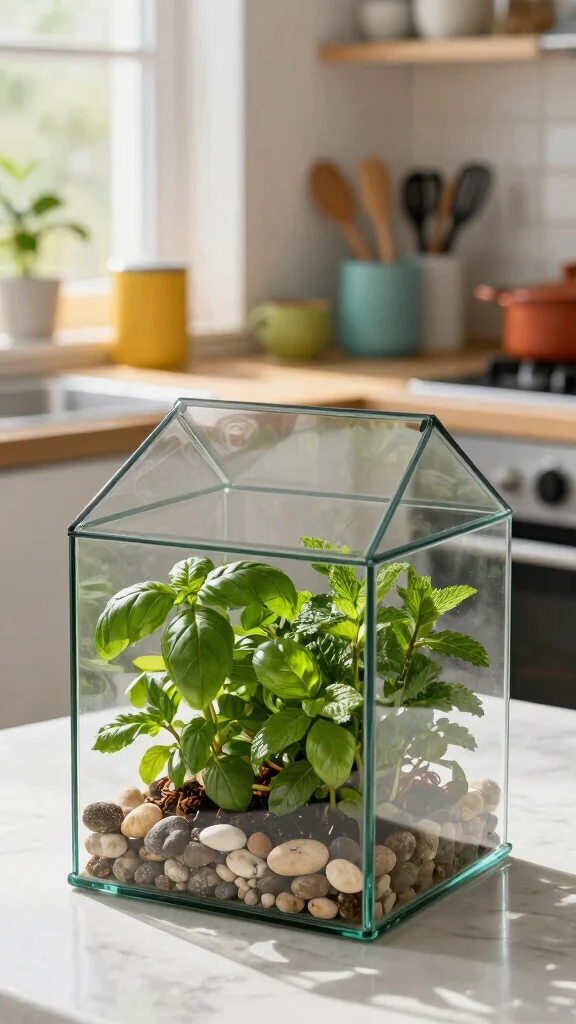
Want a fresh twist on indoor gardening? Try a floating herb garden! This innovative idea uses a water-filled container or a glass terrarium, allowing herbs to thrive while creating a gorgeous visual display.
Water provides essential nutrients and creates a unique aesthetic, especially with clear vessels. Grow herbs like basil, mint, or even edible flowers, enhancing air quality in your kitchen. This modern approach is a stylish way to showcase your herb collection!
Container Gardening Ideas:
– Use pebbles or stones at the bottom for drainage.
– Change the water regularly to prevent stagnation.
– Experiment with different glass containers for a unique display.
Recommended Products

52 Pods High Capacity Indoor Hydroponic Garden Kit: Featuring an ultra-large 52-pod design, this 52 pods hydroponics growing system kit lets you grow a variety of herbs, vegetables, and flowers all year round. Perfect for families, schools, or hobby gardeners looking for an efficient indoor hydroponics grow system that saves space and delivers results. Whether you're using herb hydroponics growing kit as a hydroponic seed starting system, this indoor gardening system has you covered.

HARVEST ANYWHERE & ANYTIME: Indoor gardening system efficient 24-watt LED grow light simulates optimal effects of sunlight. Technology optimized for plants, herbs garden LED panel can be adjusted to 180° maximum and 21inches maximum height, plants receive more illumination area, maximize photosynthesis, and also more convenient for pruning branch leaves. Hydroponics plants grow 5 times faster than soil, harvest fresh all year round
7. Repurposed Furniture Herb Garden
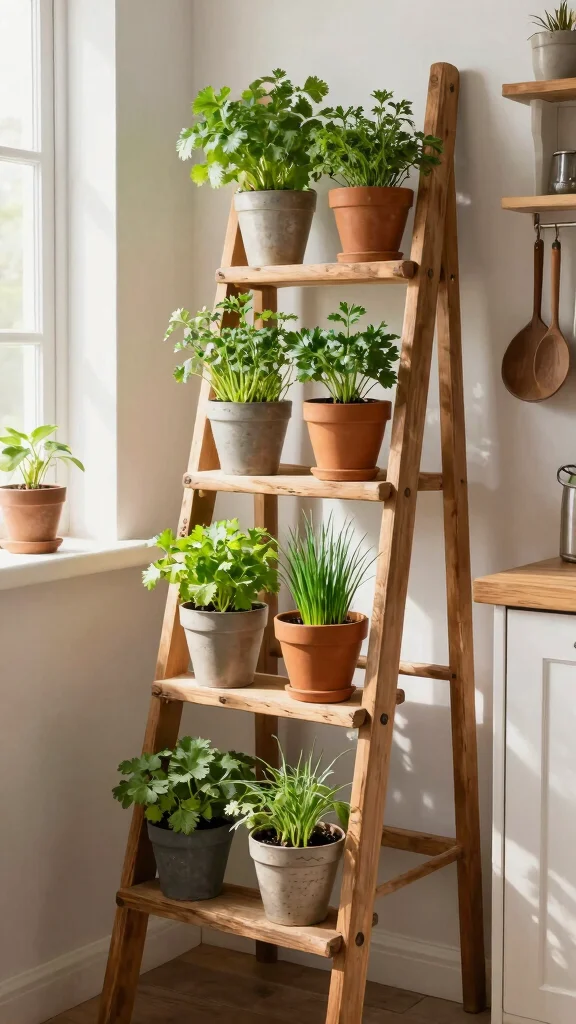
Have old furniture lying around? Turn it into a creative herb garden! A small bookshelf, a vintage ladder, or even an old dresser can become a unique gardening space in your kitchen.
This idea not only recycles furniture but also adds character. Place different herbs in each compartment or on each shelf, creating a visually appealing display. Choose containers that match your decor style, whether rustic, modern, or eclectic, and enjoy thriving herbs like parsley, cilantro, and thyme!
Kitchen Gardening Tips:
– Ensure proper drainage in each container.
– Group herbs with similar sunlight and water requirements.
– Use a combination of heights for an artistic layout.
Recommended Products

Indoor Herb Garden Planter with Tray - Add greenery to your home with this vintage metal windowsill planter. Herb planters for indoor plants with a farmhouse touch. Place the indoor herb planter on your kitchen counter or display the small herb planter as an apartment window planter.

【Indoor Herb Garden】Experience the joy of gardening with our specialized indoor herb planter. This set includes a planter with a tray but does not come with plants and seeds. Designed specifically for herb cultivation, these planters can be used both indoors and outdoors. Crafted from durable metal with a sleek, glossy white finish, they blend functionality with a farmhouse style to enhance your living space.

Drain Holes Design -- Window planter box design with many small drain holes,prevent excessive watering, maintain soil drainage and ventilation.
8. Mini Greenhouse for Herbs
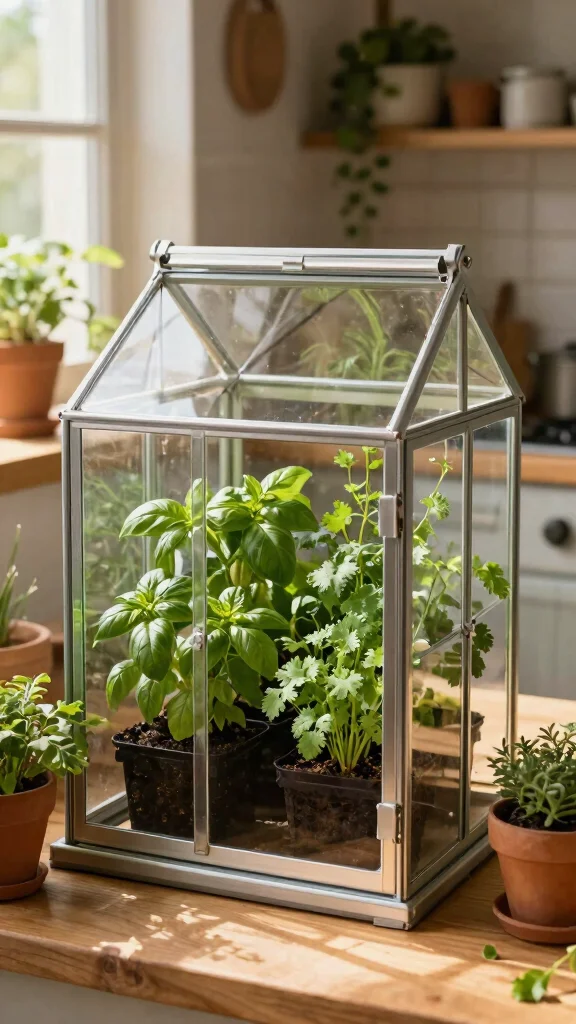
Serious about indoor herb gardening? Set up a mini greenhouse in your kitchen! This setup helps maintain humidity and warmth, perfect for growing herbs year-round.
Utilize a glass cabinet or a converted shelf with a plastic cover to create a cozy environment. Fresh basil, thyme, and cilantro will thrive in these conditions, providing easy access to greens all year long. Regularly monitor the environment to keep your herbs flourishing.
Container Gardening Ideas:
– Place the mini greenhouse near a window for sunlight.
– Regularly check for ventilation to prevent mold.
– Keep a moisture meter handy to manage humidity levels effectively.
Recommended Products

Effortless Self-Watering Design:Built-in water reservoir reduces watering frequency to once every 7-10 days. Prevents over/under-watering, ideal for busy plant parents, travelers, and beginners—keeps basil, mint, rosemary, and succulents thriving with minimal care.
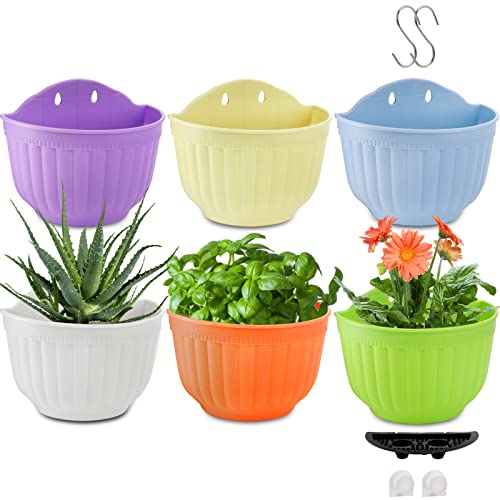
Our railing plant pots are made of premium tough PP resin material, non-toxic, weather-resistant and shatter-proof, sturdy and lightweight for indoor or outdoor uses. The matching S hooks are made of rust-proof and heavy-duty stainless steel

Decorate Your Warm Home- This attractive and unique Hanging Skull Planter shows off your potted plants, while saving you more space on your patio. Our Hanging Skull Planter is designed with great attention to details and adorned with paisley accents, bringing an interesting decoration to your home. You can hang on your plants on your outdoor patio wall with this Hanging Skull Planter while creating a festive condition for your planter growth.
9. Hydroponic Herb Garden
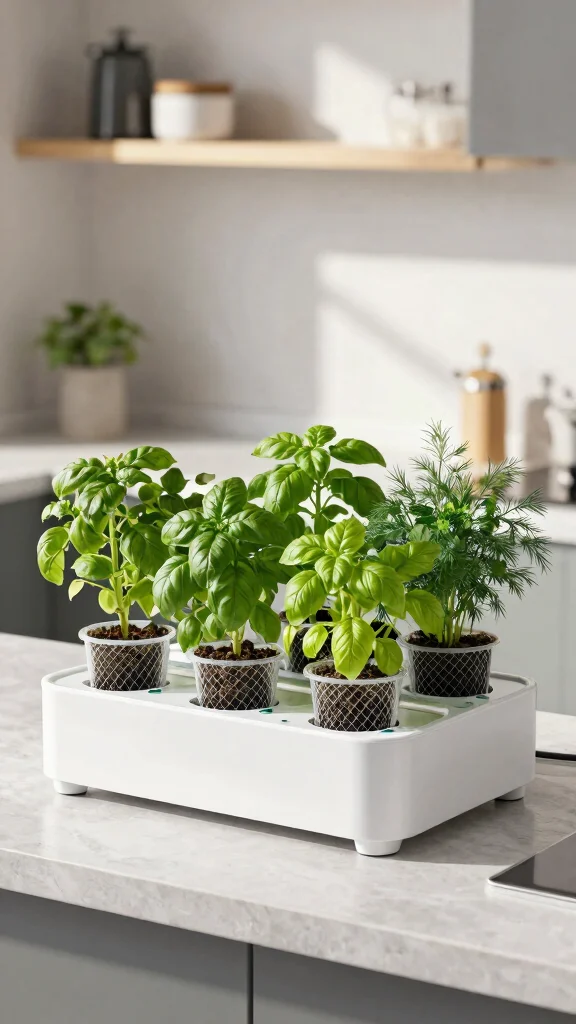
Take indoor herb gardening to new heights with hydroponics! This soil-less method allows for rapid growth and high yields, perfect for your kitchen counter.
Water circulates through the system, providing nutrients directly to your herbs’ roots. Fresh herbs like basil, mint, and dill thrive in this setup, minus the mess of soil. Learn about nutrient solutions and water recycling to create a successful hydroponic herb garden right in your home.
Growing Herbs Indoors Tips:
– Invest in a hydroponic kit for beginners to simplify the process.
– Monitor pH levels regularly for optimal growth.
– Keep the system clean to prevent algae buildup.
10. Cinder Block Herb Garden
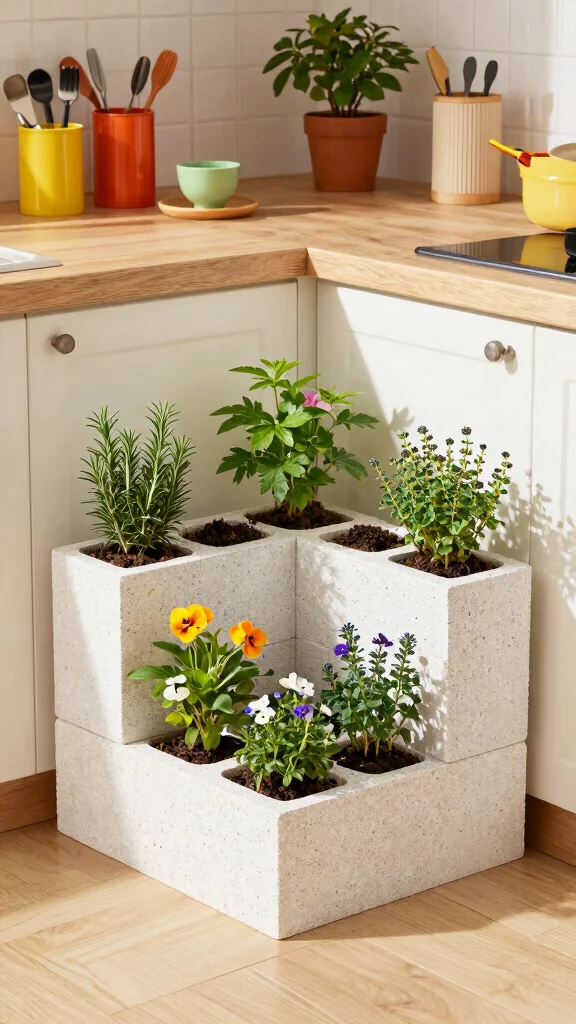
For a rustic yet practical gardening solution, try a cinder block herb garden! This budget-friendly idea uses cinder blocks as planters, letting you create a unique layout in your kitchen or balcony.
Stack the blocks for a vertical garden or lay them flat for a horizontal display. Fill the holes with soil and plant herbs like thyme, rosemary, or sage. The open spaces also allow for companion plants or flowers, enhancing the overall look.
Container Gardening Ideas:
– Secure the blocks to prevent tipping over.
– Paint or spray the blocks to match your decor style.
– Consider adding a drip tray underneath to catch excess water.
Fun fact: you can build a cinder block herb garden in 3 simple steps and transform a small kitchen corner into an indoor kitchen garden. Stack blocks 4 high or layout them flat, fill holes with soil, and plant thyme, rosemary, and sage.
11. Layered Herb Garden
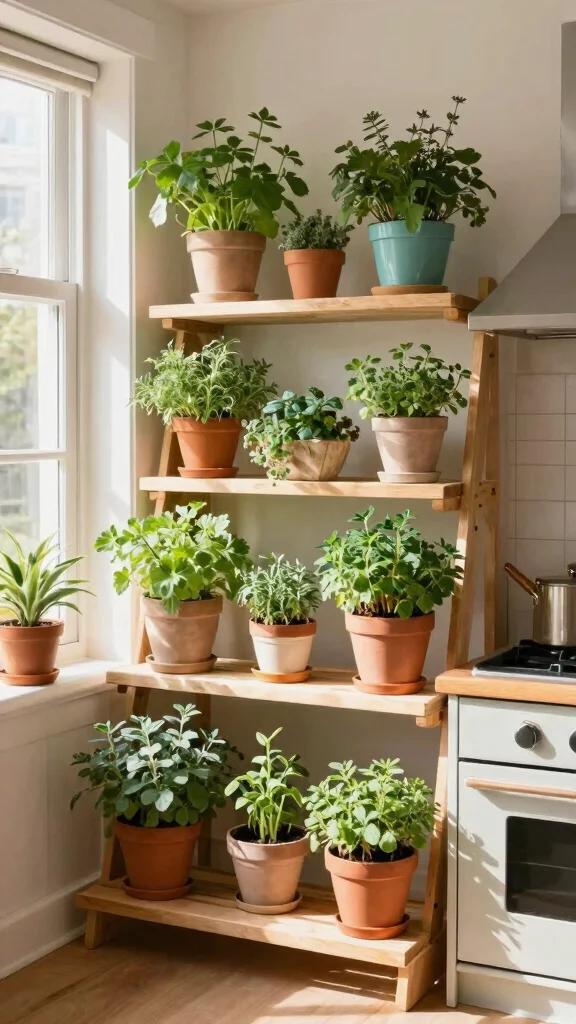
Elevate your indoor herbs with a layered garden! This method uses tiered planters or shelves to create varying heights, showcasing your herbs beautifully.
Mix herbs like basil, parsley, and rosemary to create an engaging visual display. With different levels, each plant maximizes sunlight exposure, ensuring they all thrive. This setup not only organizes your herbs but also serves as a stunning centerpiece in your kitchen.
Kitchen Gardening Tips:
– Use lightweight materials for the layered planters.
– Ensure proper drainage for each layer.
– Consider adding decorative elements like fairy lights for evening ambiance.
12. Edible Flower and Herb Combination Garden
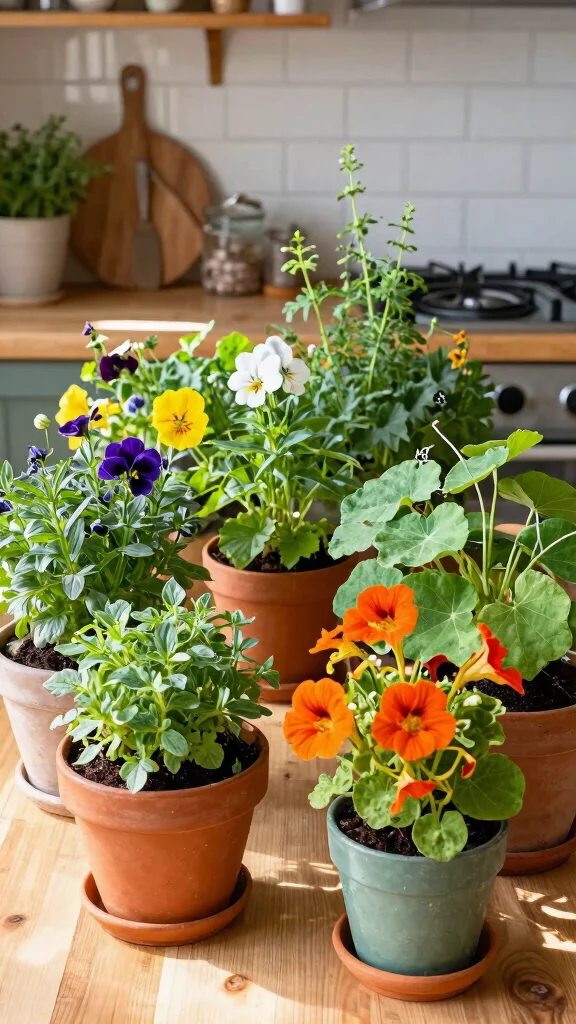
Combine beauty and flavor by creating an edible flower and herb garden! This delightful setup adds color to your kitchen while enhancing your culinary creations.
Choose flowering herbs like borage, chamomile, or nasturtiums that taste great and look stunning. Plant them in attractive containers to make an edible centerpiece for your kitchen table. This combination not only gives you fresh herbs but also impresses guests with beautiful garnishes!
Growing Herbs Indoors Tips:
– Research which flowers complement your herbs in flavor.
– Ensure adequate sunlight and water for both herbs and flowers.
– Use organic fertilizers to enhance growth and flavor.
13. Aromatic Herb Garden
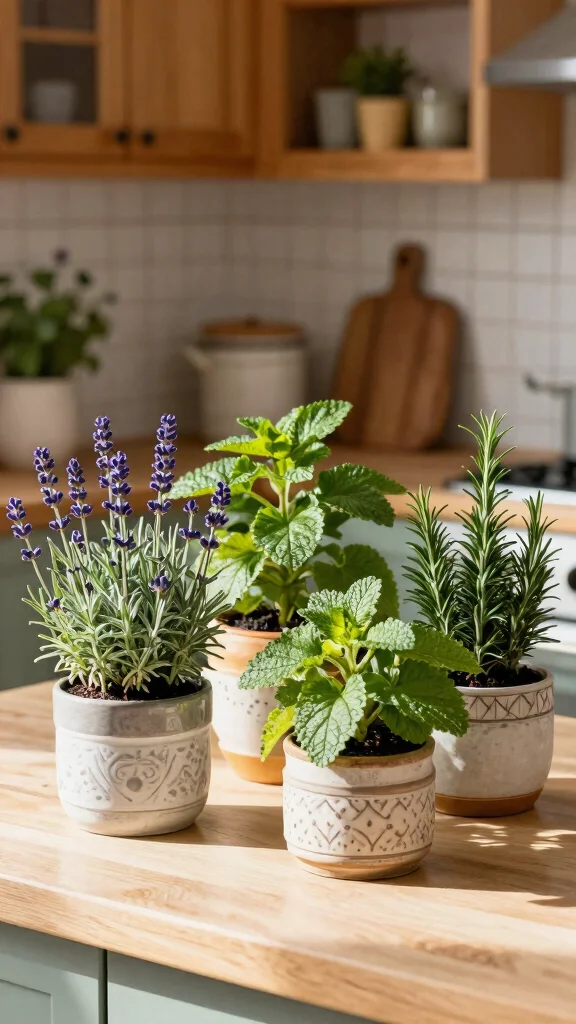
Transform your kitchen into an aromatic haven with an herb garden focused on scent! This concept features herbs that enhance your cooking while filling your space with delightful fragrances.
Consider planting lavender, lemon balm, and rosemary, known for their wonderful aromas. Display them in decorative pots on a windowsill or countertop, adding a refreshing scent to your cooking space. This garden serves culinary purposes and promotes relaxation and well-being.
Kitchen Gardening Tips:
– Group aromatic herbs at the front for easy access.
– Introduce small stones or pebbles around the pots for a polished look.
– Regularly pinch the leaves to encourage bushier growth and enhance scent.
Fun fact: An indoor kitchen garden with 4 potted herbs can cut your trips to the store by up to 60%. Lavender, lemon balm, and rosemary release scents as you cook, turning prep into a soothing ritual you can enjoy every day.
Conclusion
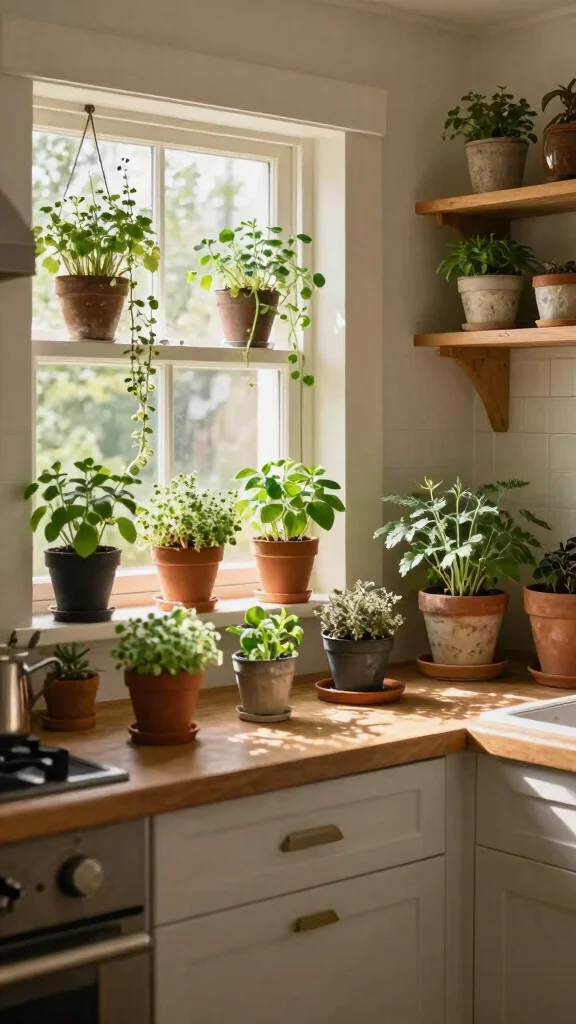
Creating an indoor kitchen garden is more than just growing herbs; it’s about bringing nature into your home and enhancing your culinary experiences. From vertical gardens to quirky tea cup setups, the options are endless!
Each idea not only nurtures your cooking habits but also offers a little slice of nature in your daily life. Embrace the joy of herb gardening, and soon you’ll be enjoying fresh flavors and lovely scents every time you step into the kitchen.
Note: We aim to provide accurate product links, but some may occasionally expire or become unavailable. If this happens, please search directly on Amazon for the product or a suitable alternative.
This post contains Amazon affiliate links, meaning we may earn a small commission if you purchase through our links, at no extra cost to you.
Frequently Asked Questions
What is an indoor kitchen garden and how can it work in small spaces?
An indoor kitchen garden is a compact setup that brings growing herbs indoors right into your kitchen so fresh flavors are always at hand.
In a small space gardening approach, use bright windowsills, shelves, or countertop planters and pick container gardening ideas that fit your layout. Start with a few reliable herbs like basil, parsley, chives, and thyme in shallow pots with drainage. Place pots near a sunny window (or under a simple grow light) and group plants with similar light needs for easy care. With a little organization, any indoor herb garden can thrive in tight spots.
Which herbs are easiest to grow indoors for a steady supply of fresh flavor?
For a dependable indoor harvest, try herbs that thrive in lower light and compact spaces: basil, parsley, chives, cilantro, mint, thyme, and oregano. Mint can be a bit invasive, so keep it in its own pot. Harvest leaves regularly to encourage new growth. This approach helps you stay on top of growing herbs indoors and makes your indoor kitchen garden a go-to source for fresh flavor.
How do I choose containers and lighting for an indoor herb garden in a small space?
Choose containers with drainage, about 6–8 inches deep for most herbs, with trays to catch moisture. Use a quality potting mix designed for containers, and consider vertical options like wall-mounted planters or a tiered rack to leverage container gardening ideas for small space gardening.
Lighting matters: place your herbs near a bright south- or east-facing window, or add an affordable LED grow light to provide 12–14 hours of light daily. With the right setup, your indoor kitchen garden stays lush and productive.
How often should I water, fertilize, and prune indoor herbs to keep them productive?
Water when the top inch of soil dries; overwatering is the usual killer of potted herbs. Feed with a balanced, water-soluble fertilizer every 4–6 weeks during active growth. Pinch back stems and harvest frequently to encourage bushier growth and prevent legginess. Keep light bright and soils evenly moist for a thriving indoor herb garden.
Can I grow herbs indoors year-round and how can I protect them from pests?
Yes—most common kitchen herbs will thrive indoors year-round with good light, steady temperatures, and good air circulation. If you spot pests like fungus gnats or spider mites, start with yellow sticky traps, rinse leaves, and let the soil dry a bit between waterings. Quarantine new plants and keep up with pruning to maintain vigor. A well-managed indoor kitchen garden stays healthy and resilient without harsh chemicals.
Related Topics
indoor kitchen garden
herb gardening
small space gardening
container gardening
growing herbs indoors
kitchen gardening tips
easy gardening
beginner friendly
year-round herbs
urban gardening
sustainable living
fresh herbs