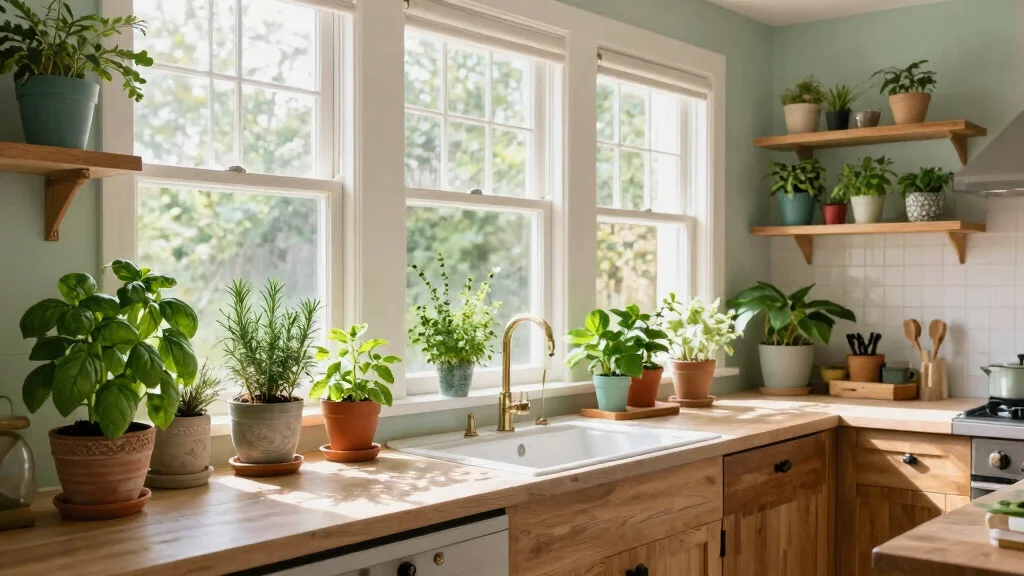
Bringing a bit of greenery into your kitchen can transform the space into a lively and fresh environment. If you’re like many people, you might crave that dash of nature in your home. Plants not only add aesthetic value but also improve air quality and create a sense of calm. That’s why I put together this guide on the best kitchen plant ideas that can energize your cooking space and keep it vibrant.
This post is perfect for anyone who loves to cook and wants to explore herbs for cooking or indoor gardening tips. Whether you live in a small apartment or have a spacious kitchen, these plant ideas cater to all. You’ll find simple, effective solutions for incorporating plants into your kitchen, enriching both your meals and your living space.
In this article, you’ll discover twelve delightful kitchen plants that are easy to care for and bring a touch of freshness to your home. From aromatic herbs like basil and mint to creative setups like vertical gardens, there’s something for everyone. Get ready to learn how to select the right plants, care for them, and enjoy the benefits of having fresh herbs right at your fingertips!
Key Takeaways
– Discover a variety of herbs perfect for cooking, enhancing the flavor of your dishes while adding a fresh touch to your kitchen.
– Learn practical indoor gardening tips tailored for small spaces, making it easy to grow herbs even in limited areas.
– Gain insight into kitchen plant care to keep your herbs healthy and thriving, ensuring you always have fresh ingredients available.
– Explore creative ideas for decorative pots that not only nurture your plants but also add style to your kitchen decor.
– Understand how having fresh air plants can improve indoor air quality, creating a healthier cooking environment for you and your family.
Recommended Products

USDA CERTIFIED ORGANIC & NON-GMO: Grow your own fresh culinary herbs with peace of mind. Our open pollinated, heirloom variety pack is 100% clean, natural, rigorously tested for germination, and proudly certified organic by Oregon Tilth.

🌿【Complete 9-Herb Starter Kit】- Everything you need to grow a thriving indoor garden! Includes premium seeds (Basil, Rosemary, Thyme, etc.), 9 biodegradable pots, nutrient-rich soil discs, pruning shears, and markers—ready to plant instantly.

1. Basil Bonanza
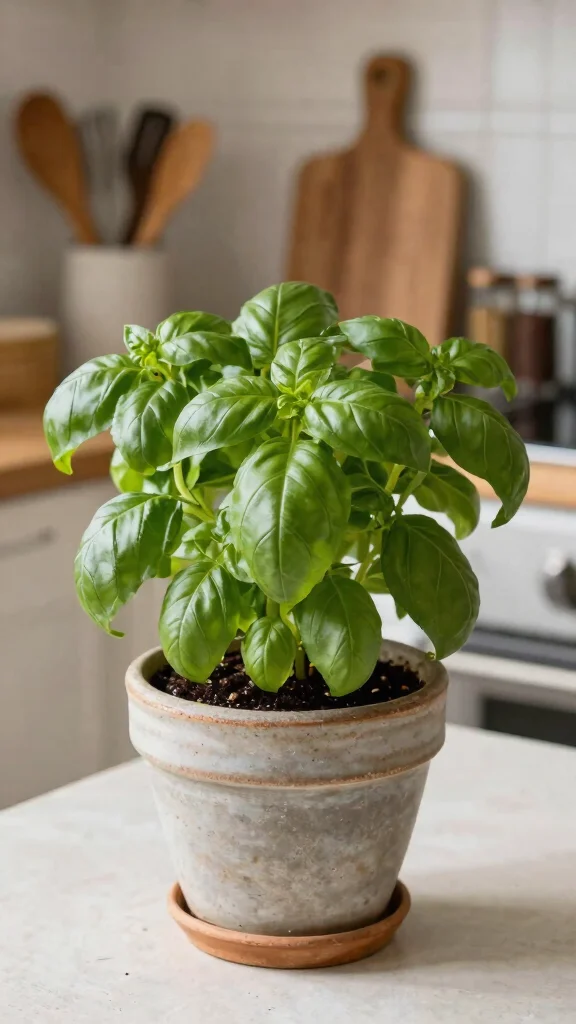
Are you dreaming of a fresh herb that elevates your cooking? Basil is the culinary gem you need, bursting with flavor and fragrance. Growing basil on your kitchen counter not only adds beauty but also transforms your dishes into gourmet creations with its aromatic leaves. Plus, it’s a breeze to care for, making it perfect for both novices and seasoned gardeners.
Basil brings a vibrant touch to your meals while purifying the air around you. Regular watering and gentle pruning will keep your plant thriving and bushy. You can even propagate it by putting cuttings in water, which is a fun and sustainable way to expand your herb collection! Fresh basil is a game-changer for pasta, salads, and more.
Ingredients:
– 1 basil plant (preferably sweet basil)
– A pot with good drainage
– Potting soil
– Water
Instructions:
1. Choose a pot and fill it with potting soil.
2. Plant the basil, ensuring roots are well covered.
3. Place in a sunny spot for at least 6 hours daily.
4. Water deeply, allowing the soil to dry out slightly between waterings.
5. Pinch off leaves regularly to encourage growth.
FAQs:
– Can I grow basil from seeds? Yes, just follow the same steps with seeds instead of a plant.
– Can I use dried basil instead? Yes, but fresh basil offers a much more vibrant flavor.
Recommended Products

All-in-One Package: Our kit includes 5 of the widely loved organic, non-GMO herb seeds—basil, parsley, rosemary, thyme, and mint. The set also comes with 5 burlap bags, 5 coconut soil discs, 5 plant markers, 3 gardening tools, 1 pruning scissors, 1 spray bottle, and an wooden box

Indoor Herb Garden Planter with Tray - Add greenery to your space with this vintage metal windowsill planter. Herb planters for indoor plants with a farmhouse touch. Place the indoor herb planter on your kitchen counter or display the small herb planter as an apartment window planter.

DESIGNED FOR HERBS: Rosy Soil's organic potting mix for herbs is formulated for basil, thyme, mint, parsley, cilantro, lavender, rosemary, and more - indoors on a windowsill or outside in a planter; biochar, worm castings, and mycorrhizae work together to build strong roots, improve nutrient uptake, and support fuller, more flavorful harvests
2. Radiant Rosemary
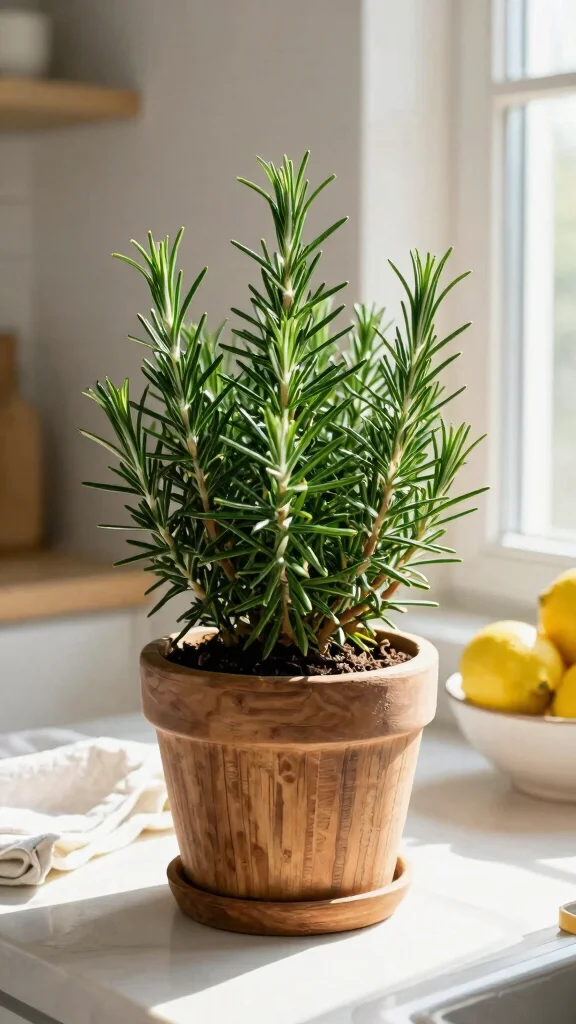
Looking for an herb that adds a delightful aroma to your kitchen? Rosemary is the aromatic companion every cook should have! This resilient herb is easy to grow indoors and loves bright light, making it a perfect fit for a sunny kitchen window.
Beyond its lovely scent, rosemary acts as a natural air purifier, enhancing the freshness of your cooking space. With minimal care, you can enjoy sprigs of rosemary for flavoring meats and vegetables, or even infusing oils and butters for a gourmet touch.
Ingredients:
– 1 rosemary plant
– A decorative pot with drainage
– Potting mix
– Water
Instructions:
1. Plant your rosemary in well-draining soil in a pot.
2. Position it in a south-facing window for maximum light.
3. Water when the top inch of soil feels dry.
4. Trim sprigs regularly to promote bushiness.
5. Use fresh rosemary in your dishes for added depth of flavor.
FAQs:
– Can I grow rosemary from cuttings? Yes, it’s easy to propagate rosemary this way!
– Can I grow it outdoors as well? Absolutely, rosemary thrives in gardens with plenty of sunlight.
3. Mint to Be
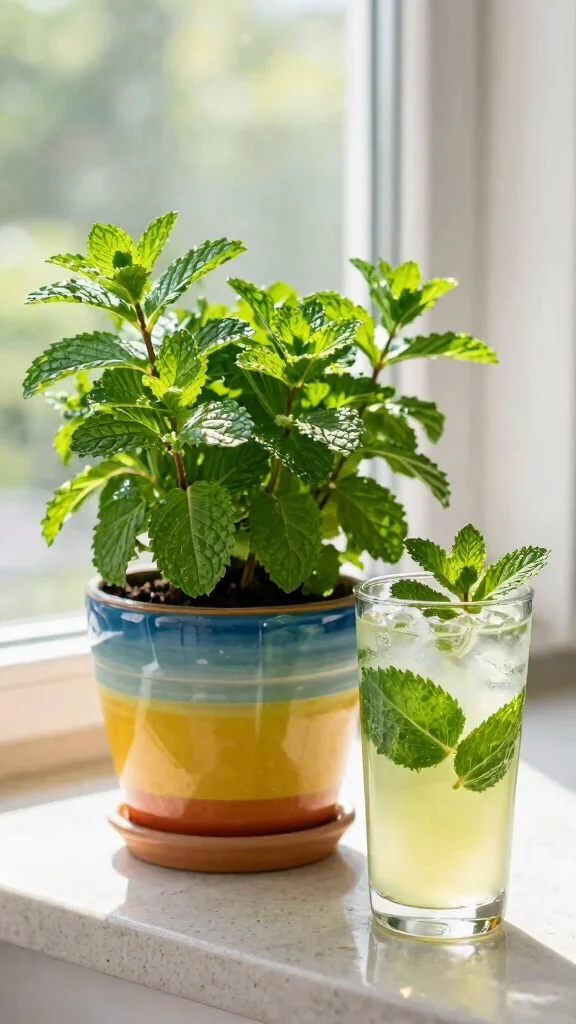
Do you crave something refreshing that can elevate your drinks and dishes? Mint is your answer! This fragrant herb is not only easy to grow but also incredibly versatile for cocktails, teas, and desserts.
Mint flourishes in pots, making it ideal for small kitchen spaces. With its quick growth, you’ll find yourself snipping fresh leaves often, adding a burst of flavor to summer recipes and homemade mint-infused water.
Ingredients:
– 1 mint plant (peppermint or spearmint)
– A pot with drainage
– Potting soil
– Water
Instructions:
1. Plant mint in a pot with well-draining soil.
2. Place in partial shade with some direct sunlight.
3. Water regularly, ensuring soil is moist but not soggy.
4. Pinch off leaves frequently to keep it bushy and encourage growth.
5. Enjoy fresh mint in drinks or as a garnish!
FAQs:
– Can I grow mint from supermarket herbs? Yes, propagate supermarket mint by placing cuttings in water!
– Can I grow it outdoors? Yes, mint can thrive in gardens but may spread, so use pots!
Fact: Mint plants can produce a week’s worth of fresh leaves—often 20 to 40 fragrant harvests in a season—from just one compact pot in your kitchen, proving that plants in the kitchen can be practical and tasty. Keep it trimmed, and your drinks, teas, and meals stay bright.
Recommended Products
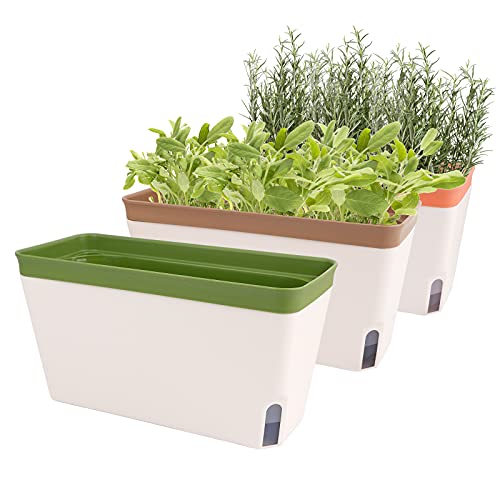
SELF-WATERING PRINCIPLE: Through two absorbent cotton ropes, the self watering pots provide water to the soil and keep the soil moist through the principle of osmosis, without having to water the plants regularly. Even if you leave home for a few days, it can help you take care of the plants and avoid plants die from water shortage.

【SELF WATERING】Every self watering planter comes with a matched water reservoir and a cotton wick that draw water up to the potting soil to keep the soil at a fairly consistent moisture level, it can offer 7-14 days self watering after filled up. (The rate of water consumption depends on the potting soil and weather.)

【Water Less, Grow Better】Designed with a built-in self watering reservoir, these planters provide a steady supply of moisture to plant roots, helping reduce frequent watering while encouraging healthier growth. Ideal for busy lifestyles, weekend trips, or anyone who wants thriving plants with less maintenance
4. Thyme for Flavor
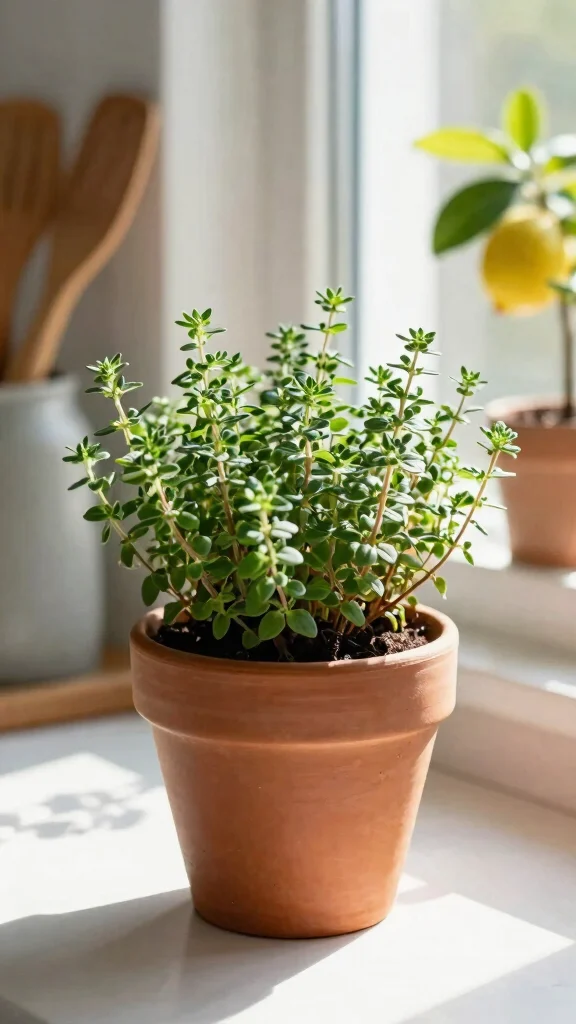
Searching for an herb that’s both resilient and flavorful? Thyme fits the bill perfectly! This robust herb can grow indoors with ease and brings earthy notes to soups, stews, and roasted dishes.
Thyme’s compact size makes it a great choice for kitchen windowsills, where it can soak up the light it loves. The delightful aroma of fresh thyme will make cooking an even more enjoyable experience, enhancing your culinary creations effortlessly.
Ingredients:
– 1 thyme plant
– A decorative pot with drainage
– Potting soil
– Water
Instructions:
1. Plant thyme in well-draining soil in your chosen pot.
2. Position in a bright spot with at least 6 hours of sunlight.
3. Water when the top inch of soil is dry.
4. Regularly prune to encourage bushy growth.
5. Use fresh thyme to enhance the flavor of your meals.
FAQs:
– Can I grow thyme from seeds? Yes, but it may take longer to establish.
– Can I use dried thyme instead? Yes, but fresh thyme offers a more vibrant flavor.
Recommended Products


WONDERFULLY ORGANIC - Contains premium organic ingredients that makes nutrient rich spray perfect to use on all indoor and outdoor airplant types.

LIVE AIR PLANT: ragnaroc organically enhanced colored Ionantha Tillandsia in Jule red. The air plant's color is organically enhanced and simple to maintain. The duration of the coloring will approximate that of a typical bloom cycle. Please be aware that these are living plants that thrive with moderate light and flexible watering.
5. Chives on the Rise
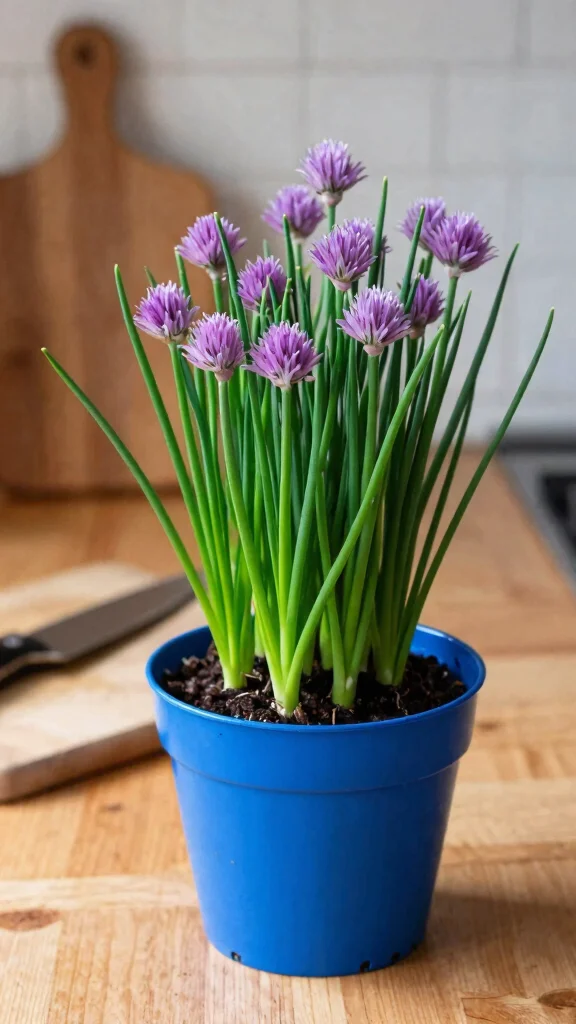
Want an easy-to-grow herb that adds a mild onion flavor to your dishes? Chives are the perfect choice! These delightful herbs are simple to care for and thrive indoors, making them an excellent addition to your kitchen herb garden.
Chives not only enhance your culinary creations but also produce beautiful purple flowers that brighten up your space. Place them near a sunny window, and you’ll enjoy snipping fresh green stalks whenever you need a pop of flavor.
Ingredients:
– 1 chive plant
– A wide decorative pot
– Potting soil
– Water
Instructions:
1. Plant chives in well-draining soil in a wide pot.
2. Position near a sunny window for optimal growth.
3. Water when the soil feels dry to the touch.
4. Snip stalks as needed for your dishes.
5. Enjoy the lovely flowers that bloom in spring and summer!
FAQs:
– Can I grow chives from seeds? Yes, starting from seeds is possible but slower than using a plant.
– Can I use them in salads? Absolutely, they add a lovely flavor to salads and soups!
Recommended Products

【Indoor Herb Garden】Experience the joy of gardening with our specialized indoor herb planter. This set includes a planter with a tray but does not come with plants and seeds. Designed specifically for herb cultivation, these planters can be used both indoors and outdoors. Crafted from durable metal with a sleek, glossy white finish, they blend functionality with a farmhouse style to enhance your living space.

Beautiful - Large color packet of the popular culinary herb Genovese Basil (Ocimum Basilicum), a wonderful gift for the gourmet cook and gardener. Can easily be grown indoors in your kitchen or outdoors in the garden. There is actually enough seed to do both. Minimum of 400mg (about 400 seeds).

Ongoing Maintenance & Care Guide
Maintenance Schedule:
Daily/Weekly Tasks:
– Check soil moisture levels to ensure your herbs are neither too dry nor too soggy. Aim for about 1-2 inches deep. ⏱ 5 minutes
– Rotate pots occasionally for even light exposure. This helps the plants grow upright. ⏱ 10 minutes
– Remove any dead leaves to promote healthy growth. This keeps your kitchen plants looking fresh. ⏱ 5 minutes
Monthly/Seasonal Tasks:
– Fertilize herbs every month during the growing season with a balanced, water-soluble fertilizer. Follow the package instructions for mixing. ⏱ 15 minutes
– Inspect for pests like aphids or spider mites, and treat if necessary with insecticidal soap. Keep an eye on the leaves for any signs. ⏱ 20 minutes
– Prune herbs regularly to encourage bushy growth. Trim about 1/3 of the plant to promote new shoots. ⏱ 20 minutes
– Clean pots and remove any debris to prevent fungal issues. Use warm soapy water and a scrub brush. ⏱ 15 minutes
Maintenance Summary Table:
| Task | Frequency | Difficulty | Time Needed |
|—————————–|————-|————|—————|
| Check soil moisture | Daily | Easy | 5 minutes |
| Rotate pots | Weekly | Easy | 10 minutes |
| Remove dead leaves | Weekly | Easy | 5 minutes |
| Fertilize | Monthly | Easy | 15 minutes |
| Inspect for pests | Monthly | Medium | 20 minutes |
| Prune | Monthly | Medium | 20 minutes |
| Clean pots | Monthly | Easy | 15 minutes |
Common Issues to Watch For:
⚠️ Yellowing Leaves: This may indicate overwatering. Check the soil moisture and allow it to dry slightly before watering again.
⚠️ Wilting Plants: Lack of water can cause this. Ensure you’re watering thoroughly and regularly.
⚠️ Brittle or Brown Tips: This often points to low humidity or too much direct sunlight. Move your herbs to a spot with indirect light and consider misting them.
⚠️ Sticky Residue on Leaves: This could mean pest problems. Check for tiny insects or webs and treat promptly.
⚠️ Slow Growth: This may indicate nutrient deficiencies. Fertilizing your herbs can help boost their growth.
Care Tips:
💡 Use Quality Soil: Start with a high-quality potting mix that drains well. This helps prevent root rot and promotes healthy growth.
💡 Provide Adequate Light: Most herbs need 6-8 hours of indirect sunlight daily. If natural light is limited, consider using grow lights for support.
💡 Water Wisely: Always water the base of the plants, not the leaves. This helps avoid fungal diseases and ensures that the roots get moisture directly.
💡 Group Your Herbs: Place different herbs close together. This creates a small humidity pocket and keeps them happy.
💡 Use Decorative Pots: Choose pots that have good drainage holes. Not only do they look great in your kitchen, but they also help with proper herb care.
Regular maintenance can make all the difference. Following these practical tips and schedules ensures that your kitchen plants thrive, bringing life and freshness into your space!
Recommended Products

Meaningful Present: For cooking, wellness enthusiasts. For housewarmings, birthdays, Mother's Day, or anyone who loves fresh flavors and mindful hobbies. Gift for women, men, plant lovers.

🌱【 Window Sill 】 Our sleek steel indoor herb planter enhances home decor. This set includes planters and a matching tray, but herbs and seeds are not included. Featuring a leather handle for easy carrying, you can move your herbs to adjust for sunlight or decor needs.

Huge Value -18 Most Popular Culinary Herbs non-GMO Heirloom Seeds - LESS THAN $1.30 PER SEED VARIETY - 10180 herbs seeds including: Basil, Catnip, Chervil, Chives, Cilantro (Coriander), Dill, Fennel, Thyme, Lavender, Lemon Balm, Oregano, Marjoram, Mountain Mint, Parsley, Rosemary, Sage, Summer Savory, Tarragon
6. Sage Wisdom
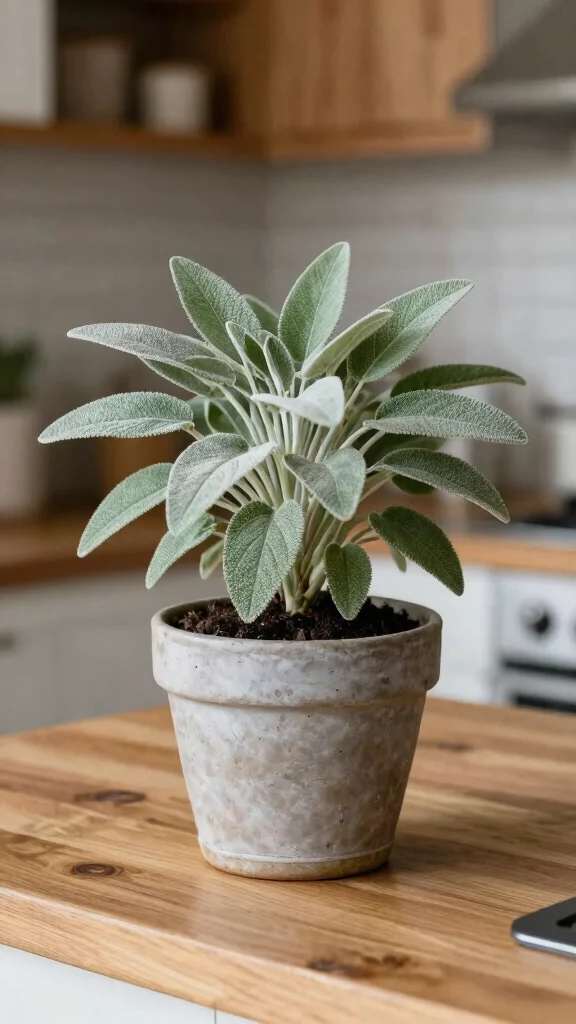
Looking for an herb that not only tastes great but also looks stunning? Sage is your answer! With its silvery-green leaves and pleasant aroma, sage adds depth to a variety of dishes, from meats to pasta.
This herb thrives indoors with bright light and well-drained soil. Regular pruning ensures that your sage plant stays healthy and bushy, providing you with an ample supply of fresh leaves and enhancing the air quality in your kitchen.
Ingredients:
– 1 sage plant
– A decorative pot with drainage
– Potting soil
– Water
Instructions:
1. Plant sage in well-draining soil in a pot.
2. Place in a sunny spot for at least 6 hours daily.
3. Water sparingly, allowing the soil to dry out between waterings.
4. Harvest leaves regularly to promote growth and flavor.
5. Enjoy fresh sage in your favorite dishes!
FAQs:
– Can I grow sage from cuttings? Yes, you can propagate sage from stem cuttings easily.
– Can I use dried sage instead? Yes, but fresh sage offers a richer flavor.
7. Cilantro Sensation
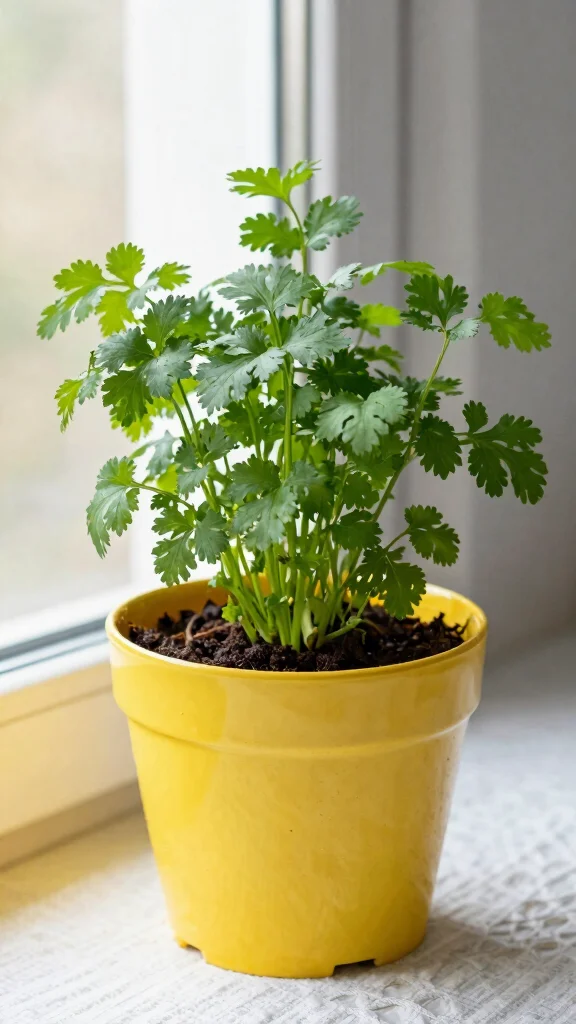
Are you a fan of zesty flavors that brighten up your meals? Cilantro is the herb you need! This vibrant herb is a staple in many kitchens, perfect for adding freshness to salsas, tacos, and more.
Cilantro grows well indoors, but it thrives in cooler temperatures with plenty of sunlight. Keeping it on your kitchen counter means you can easily grab a handful whenever you need that burst of flavor for your dishes.
Ingredients:
– 1 cilantro plant
– A decorative pot with drainage
– Potting soil
– Water
Instructions:
1. Plant cilantro in well-draining soil in a pot.
2. Position it where it gets at least 4-6 hours of sunlight daily.
3. Water carefully to keep it moist but not waterlogged.
4. Harvest regularly to encourage new growth.
5. Enjoy fresh cilantro in your favorite recipes!
FAQs:
– Can I grow cilantro from seeds? Yes, it’s best to plant seeds directly in the soil.
– Can I grow it outdoors as well? Yes, cilantro can thrive in gardens with cooler temperatures!
Recommended Products
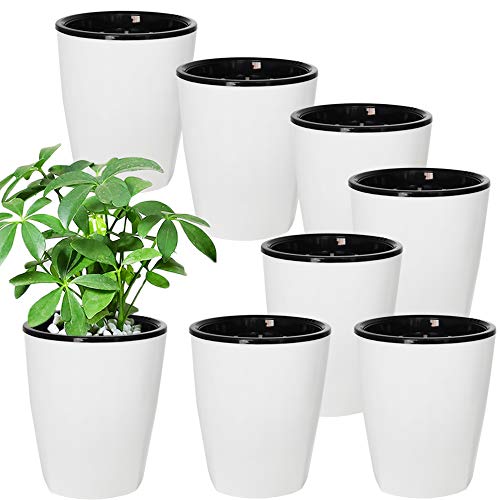
Our self watering plastic planters package includes 8 pcs white pots with inner pot.Inner pot has feedwater angle can help the roots grow downwards to attract roots.
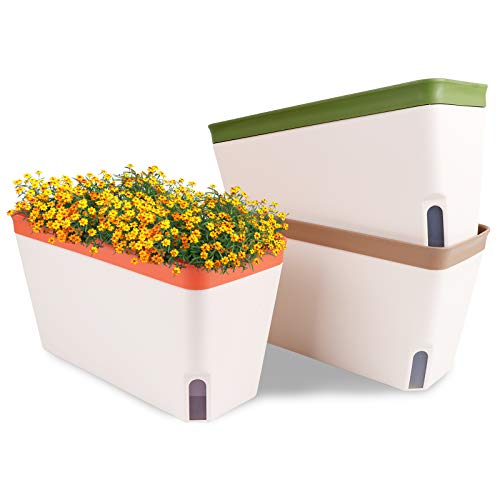
【Self Watering Design Keeps Plants Thriving】Enjoy effortless gardening with this smart self watering system that stores water and maintains proper moisture levels. The visible water indicator helps prevent overwatering or drying, making it ideal for busy plant lovers. Perfect for growing fresh herbs, flowers, and greenery indoors with less daily care

8. Oregano Joy
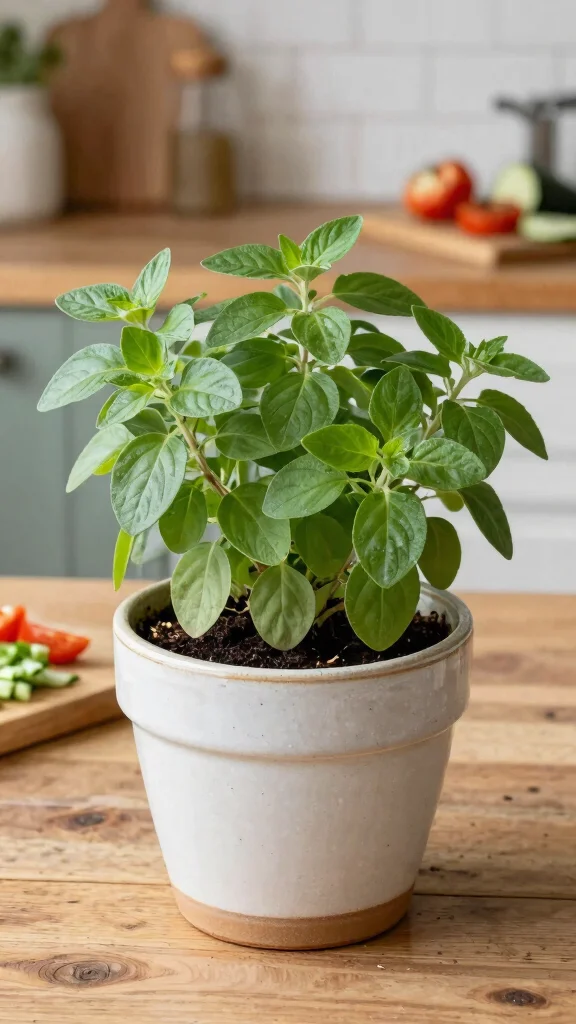
Do you love the warm, aromatic flavors of Mediterranean cooking? Oregano is an essential herb that will bring joy to your kitchen! This hardy plant is perfect for growing indoors and thrives in pots.
Oregano flourishes with minimal watering, making it an ideal choice for busy cooks. Its robust flavor pairs beautifully with tomato-based dishes, enhancing the taste of sauces and salsas.
Ingredients:
– 1 oregano plant
– A decorative pot with drainage
– Potting soil
– Water
Instructions:
1. Plant oregano in well-draining soil in a pot.
2. Place it in a sunny spot for at least 6-8 hours of light daily.
3. Water when the top inch of soil is dry.
4. Trim regularly to encourage bushy growth.
5. Enjoy fresh oregano in your favorite Mediterranean dishes!
FAQs:
– Can I grow oregano from seeds? Yes, planting seeds directly in the soil works well.
– Can I use dried oregano instead? Yes, but fresh oregano is much more flavorful.
Recommended Products

Very sturdy houseplants. Perfect for any room in the house.

LIVE AIR PLANT: 3 count Ionantha Ionantha with ragnaroc Care Card and gift-ready packaging. The entry-air plant for most, this green-leaved Tillandsia often grows in clumps of 3-5 plants. With plenty of water and good ventillation, this plant will readily produce purple flowers and change color pending the amount of indirect sunlight it receives

LIVE AIR PLANTS: ragnaroc 5 Pack air plants are 1-3 inches tall and 1-2 inches wide and come with a collectible care card in 100% recyclable gift-ready packaging. The plants will vary in color and will not always arrive flowering with red or purple color. Tillandsia Ionantha air plants typically bloom 2-3 times a year. Color will change with exposure to light. The air plant set may arrive in green - with fertilizer and bright light they will turn red and start flowering.
9. Lemon Balm Bliss
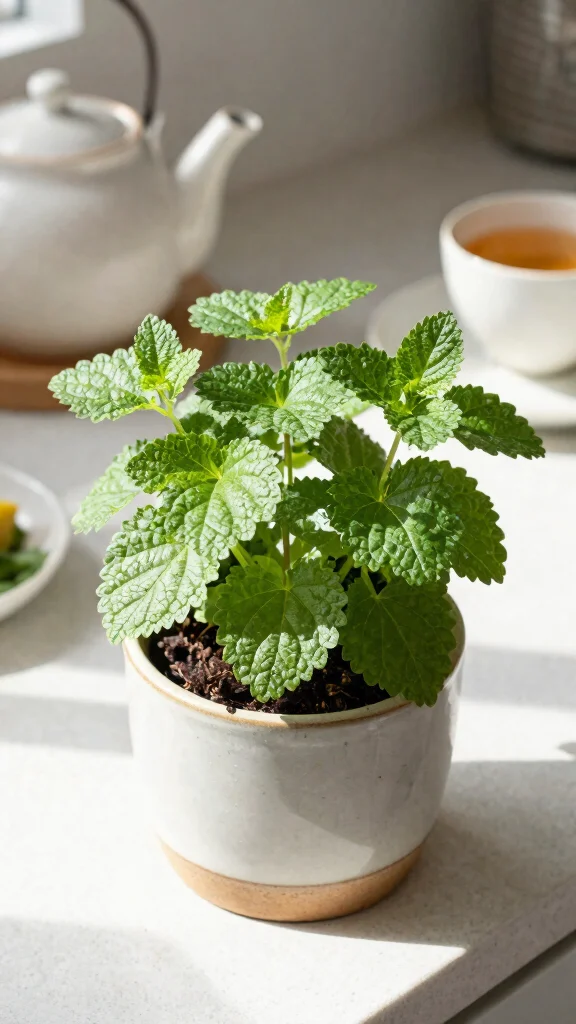
Are you in search of a herb that brings a delightful fragrance to your kitchen? Lemon balm is the perfect choice! This charming herb offers a refreshing lemony scent that can uplift your space and enhance your culinary creations.
Lemon balm thrives in pots and prefers bright, indirect sunlight. Snipping fresh leaves for herbal tea or adding them to dishes gives a citrusy flair that’s simply irresistible.
Ingredients:
– 1 lemon balm plant
– A decorative pot with drainage
– Potting soil
– Water
Instructions:
1. Plant lemon balm in well-draining soil in a pot.
2. Position it in bright, indirect sunlight.
3. Water regularly but avoid waterlogging.
4. Prune to encourage bushier growth and prevent flowering.
5. Use fresh leaves in herbal teas or to brighten your dishes!
FAQs:
– Can I grow lemon balm from seeds? Yes, starting from seeds is possible, but it may take longer.
– Can I use dried lemon balm instead? Yes, but fresh lemon balm offers a more vibrant flavor.
Fun fact: Lemon balm releases its sunny lemon scent the moment you snip a leaf, turning any plants in the kitchen into a little aroma studio. Snip daily for tea or toppings—your space and recipes will thank you.
10. Pet-Friendly Herbs
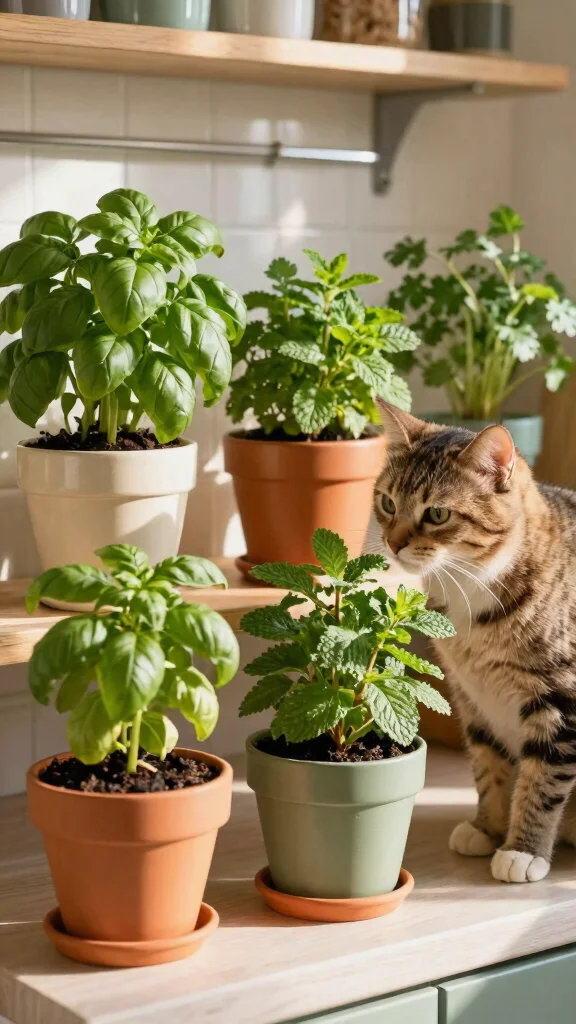
Do you have furry friends at home and want to grow herbs safely? Pet-friendly herbs like basil, cilantro, and mint are perfect additions to your kitchen garden! These herbs not only enhance your cooking but also ensure your pets stay safe.
Choose decorative pots that match your kitchen while ensuring these herbs receive proper sunlight and care. Having these varieties around creates a calming environment for both you and your pets.
Ingredients:
– 1 basil plant
– 1 cilantro plant
– 1 mint plant
– A decorative pot for each
– Potting soil
– Water
Instructions:
1. Plant each herb in well-draining soil in its pot.
2. Position them in a sunny spot for adequate light.
3. Water when the soil feels dry to the touch.
4. Trim regularly for freshness and growth.
5. Enjoy using these herbs in your dishes without worry!
FAQs:
– Can I grow any herbs that are pet-friendly? Yes, basil, cilantro, and mint are great options!
– Can I use herbs from my garden? Ensure they are safe for pets before using!
11. Vertical Herb Garden
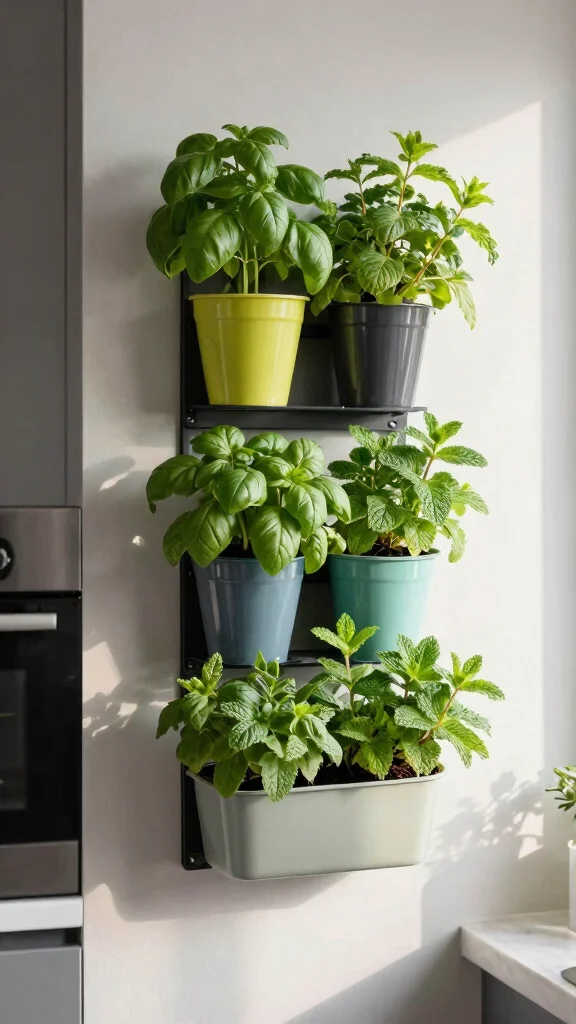
Do you want to maximize your kitchen space while growing your favorite herbs? A vertical herb garden is a stylish solution that creates an eye-catching focal point while saving space! You can utilize wall-mounted pots or hanging planters to beautifully display your herbs.
As you create a living wall with herbs like thyme, chives, and mint, ensure they receive enough sunlight and airflow. Regular harvesting keeps your herbs fresh and adds a vibrant touch to your kitchen decor.
Ingredients:
– Wall-mounted pots or hanging planters
– Potting soil
– Herbs of your choice (like thyme and chives)
– Water
Instructions:
1. Choose a sunny wall or area for your vertical garden.
2. Install lightweight pots or planters securely.
3. Fill pots with well-draining soil and plant herbs.
4. Water as needed, ensuring proper drainage.
5. Enjoy fresh herbs right at your fingertips!
FAQs:
– Can I grow all herbs vertically? Yes, many herbs thrive in vertical setups!
– Will they get enough sunlight? Ensure to place them where they receive adequate light.
Pro tip: A vertical herb garden lets you grow fresh thyme, chives, and mint in under a square foot—perfect for plants in the kitchen. Mount small pots on a sunny wall, water evenly, and harvest regularly to keep herbs lush and flavorful.
12. Kitchen Window Herb Shelf
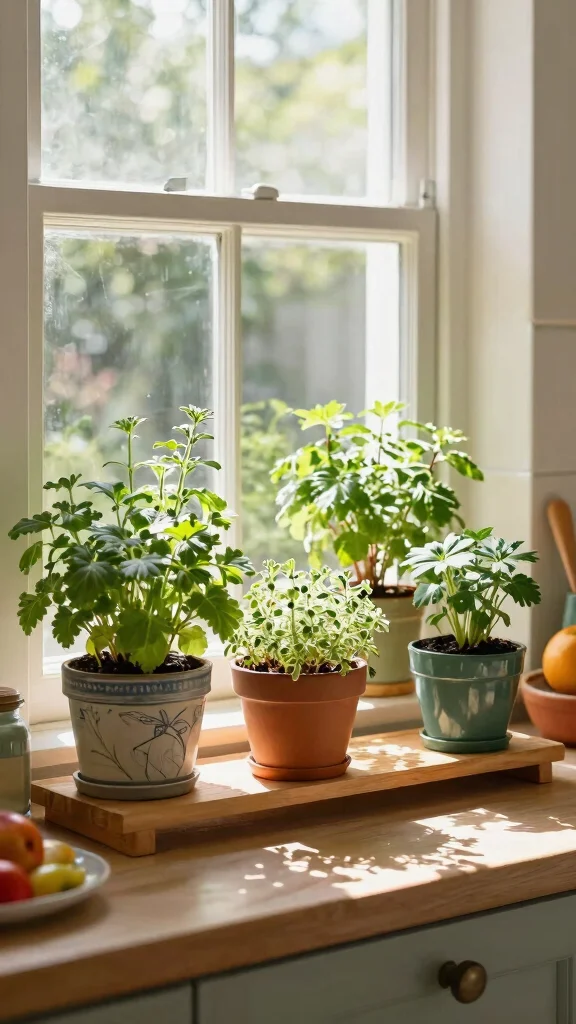
Are you looking for a way to utilize your kitchen window space creatively? A herb shelf not only serves as decor but also provides fresh ingredients right at your fingertips. Line up your favorite herbs in decorative pots on a sunny shelf for a delightful touch to your cooking space.
This setup looks appealing and offers easy access when you’re whipping up your culinary creations. Rotate your herbs as needed to ensure they receive adequate sunlight and water, filling your kitchen with wonderful aromas!
Ingredients:
– Decorative pots for herbs
– Potting soil
– Herbs of your choice (like basil and mint)
– Water
Instructions:
1. Choose a sunny window shelf for your herb pots.
2. Plant each herb in well-draining soil in its pot.
3. Arrange them aesthetically on the shelf.
4. Regularly check for water needs and sunlight exposure.
5. Group herbs with similar care requirements for easy maintenance!
FAQs:
– Can I grow herbs on a windowsill? Yes, it’s a great way to utilize sunlight!
– What herbs are best for a shelf? Basil, chives, and mint thrive well in window conditions!
Conclusion
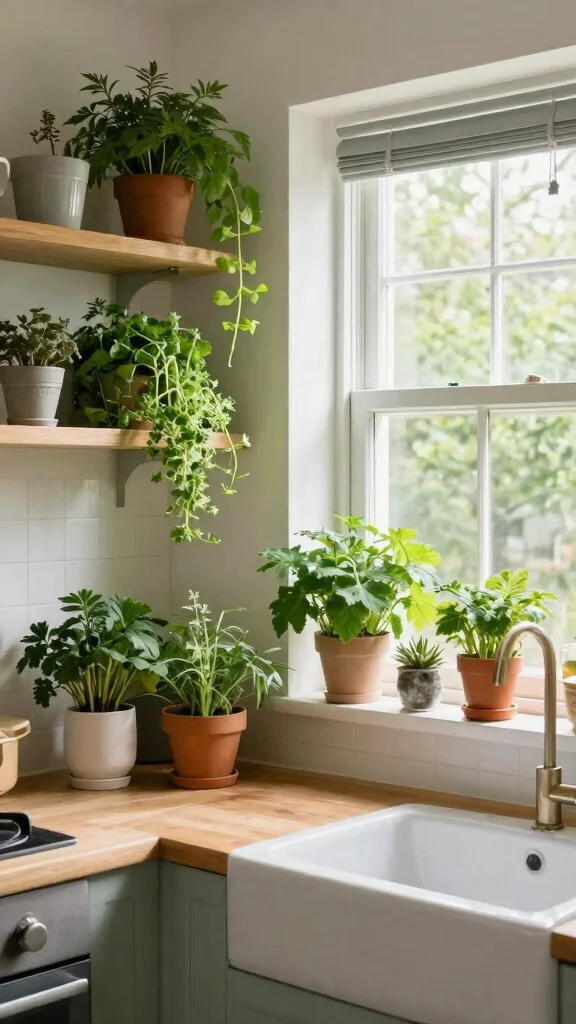
Incorporating plants in your kitchen is an excellent way to harmonize your cooking and living space while inviting natural beauty to your home.
From culinary herbs to decorative pots, the options are endless, offering both functional and aesthetic value. With these tips, you can create a vibrant kitchen environment that inspires your culinary creativity.
So, which of these plants are you excited to try? Let’s embark on this green journey together!
Note: We aim to provide accurate product links, but some may occasionally expire or become unavailable. If this happens, please search directly on Amazon for the product or a suitable alternative.
This post contains Amazon affiliate links, meaning we may earn a small commission if you purchase through our links, at no extra cost to you.
Frequently Asked Questions
What are the best herbs for cooking to grow as plants in the kitchen in a small space?
For plants in the kitchen, stick to compact, high-usage herbs you actually use. Try basil, parsley, chives, thyme, oregano, and mint in small pots on a sunny windowsill. Use a light, well-draining potting mix and provide 4–6 hours of bright light per day. Harvest leaves often to encourage bushy growth, and rotate pots weekly so none gets leggy. Pair these herbs for cooking with easy indoor gardening tips like consistent watering and draining. With a little routine, your kitchen becomes a fresh herb station.
How can I start an indoor herb garden in a tiny kitchen with limited light?
Start by checking how much light your kitchen gets. If you have a sunny window, place sun-loving herbs in compact pots and consider a small LED grow light for days with less sun. If light is limited, use a simple 2-tier setup: herbs on the window ledge and a compact shelf with a grow light above. Pick 3–4 cooking-ready herbs like basil, cilantro, or parsley. Use good drainage, loose potting mix, and rotate plants so all get even light. Water when the top inch dries, and fertilize monthly with a dilute solution. This keeps your kitchen plant care routine manageable and your plants in the kitchen thriving.
Which kitchen plants double as air purifiers and look decorative?
Yes—many kitchen plants double as air fresheners. Fresh air plants like snake plant, spider plant, pothos, and peace lily can help improve indoor air quality in a cooking space. Pair these with herbs such as basil or rosemary in decorative pots for herbs to keep counters clear. Place them on a sunny sill or hanging rack to maximize space. Remember, ventilation and regular dusting matter too. Your kitchen will feel brighter and more inviting without crowding your surfaces.
How do I water and care for herbs in the kitchen to avoid overwatering?
To avoid overwatering in a kitchen microclimate, check soil moisture before watering. If the top inch is dry, water thoroughly until it drains from the bottom. Use pots with drainage holes and a tray to catch runoff. Consider self-watering pots or a simple drip schedule for consistent moisture. Group herbs with similar needs, prune regularly to keep them bushy, and fertilize lightly every few weeks with a balanced solution. This kitchen plant care routine keeps your plants in the kitchen healthy and your herbs potent for cooking.
What decorative pots for herbs are best for small spaces and help them thrive in a kitchen?
Decorative pots for herbs can be both stylish and space-saving. Look for decorative pots for herbs with built‑in drainage, saucers, and sizes that fit your shelf or windowsill. Vertical options like wall-mounted planters, tiered caddies, or window boxes maximize tiny spaces. Self‑watering containers reduce daily upkeep, while ceramic or matte pots in coordinating colors elevate your plants in the kitchen aesthetic. Choose a drainage setup that works for every herb you grow so your space stays fresh and organized.
Related Topics
kitchen plants
herb gardening
indoor gardening tips
small space ideas
fresh air plants
decorative pots
easy care herbs
beginner friendly
urban gardening
green home
cooking herbs
low maintenance plants