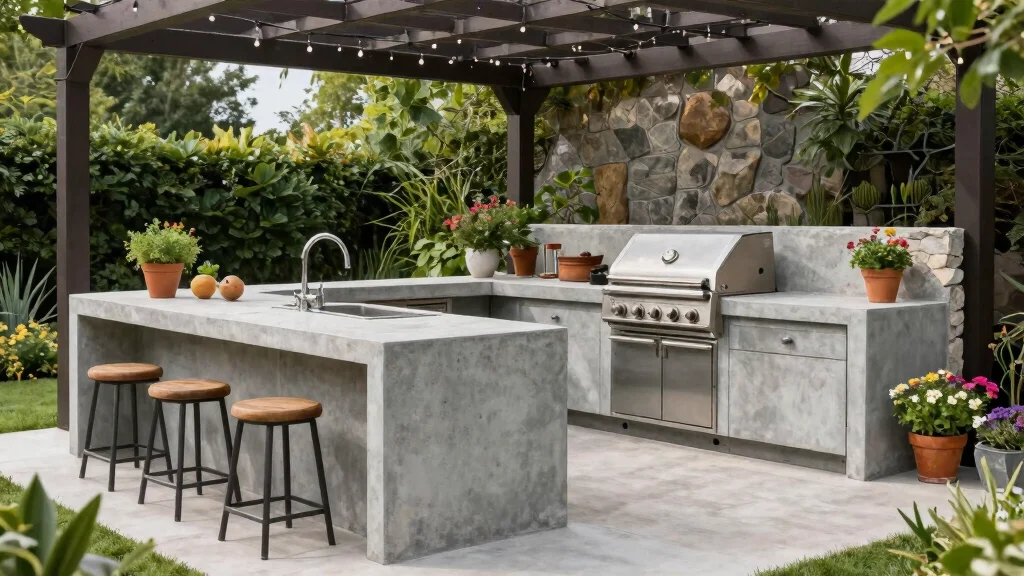
Creating an outdoor kitchen has never felt more appealing, especially when you think about the joys of cooking and entertaining outside. With the right materials, you can turn your backyard into a modern culinary hub. This post explores 11 stunning outdoor kitchens made with concrete, showcasing designs that are not only stylish but built to withstand the elements. The eco-friendly nature of concrete adds a sustainable twist to your outdoor space, perfect for those who care about the environment while wanting to enjoy modern cooking.
If you love hosting barbecues, family gatherings, or simply want a stylish place to enjoy meals al fresco, you’re in the right spot. This guide is tailored for homeowners, DIY enthusiasts, and anyone interested in creating beautiful outdoor spaces. You’ll find concrete kitchen designs that are practical and appealing, allowing you to enhance your outdoor living experience with minimal upkeep.
Get ready to explore a variety of ideas—from minimalist islands to integrated fire pits—that fit any style and budget. Whether you’re looking for durability, modern aesthetics, or sustainable features, you’ll walk away with inspiration and practical insights to elevate your outdoor cooking game.
Key Takeaways
– Diverse Designs: Discover a range of concrete outdoor kitchen styles, including minimalist islands and rustic blends that suit different tastes and spaces.
– Eco-Friendly Choices: Learn how using recycled concrete can contribute to sustainable living while still providing a chic and durable cooking space.
– Durability Matters: Understand the advantages of concrete kitchens, such as their resistance to weather and wear, which makes them a long-lasting investment.
– Functional Features: Find out how to incorporate multi-functional elements, like integrated fire pits and barbecue stations, to maximize your outdoor cooking experience.
– Aesthetic Appeal: Explore stylish finishes and customizable options that ensure your outdoor kitchen is not just practical but also a visual centerpiece for entertaining.
Recommended Products

Easy to Assembly & 24/7 Customer Support: It is very easy to assemble according to the instructions with all tools included. If you encounter any issues, please visit our website christopherknighthomes.com or feel free to reach out to us at amazonvendorfeedback@gdfstudio.zendesk.com

Extension of personal style: Outdoor kitchens offer an opportunity to extend personal style and design preferences to the outdoor living space, creating a central gathering point during social events and gatherings.

ANTI-CORROSION & HIGH-QUALITY STAINLESS STEEL--TRUE 304 stainless steel outdoor kitchen door is rust-proof, waterproof, and resistant to warping. The double-layer stainless steel BBQ door is securely attached to a 1.2mm thick reinforced frame with precision welded steel hinges for stability and durability. Its integrated design offers lasting durability, even in harsh weather, with minimal maintenance required.
1. Minimalist Concrete Kitchen Island
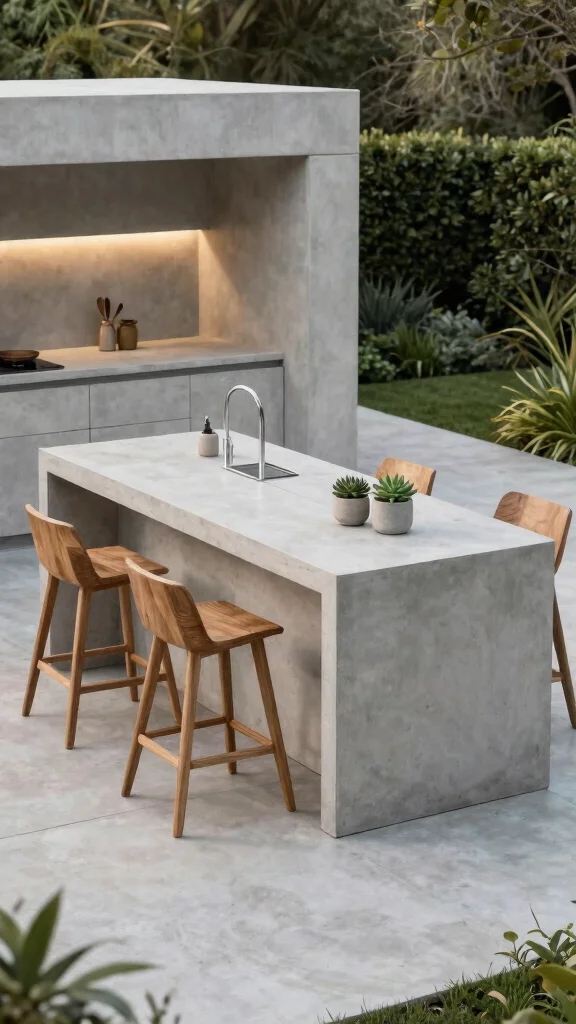
Embracing minimalism in your outdoor kitchen can lead to a serene cooking environment. A concrete kitchen island serves as a stunning focal point, drawing the eye with its sleek lines and simplicity. The beauty of this design lies in its versatility, fitting seamlessly into both modern and rustic settings. Imagine a smooth concrete finish paired with warm wood accents, creating a visual balance that is both inviting and chic.
To make the most of your minimalist island, consider adding integrated seating for a casual dining experience. You can also incorporate functional elements like built-in storage or a cooler to enhance usability. This approach not only reflects current design trends but also encourages a relaxed atmosphere for gatherings with friends and family.
Tips for your minimalist concrete island:
– Keep the color palette neutral to emphasize simplicity.
– Use natural materials like wood or stone for accents.
– Incorporate functional features such as storage space or electrical outlets.
– Add bar stools in sleek designs to complete the modern look.
This design captures the essence of minimalism, allowing your outdoor kitchen to become a peaceful retreat for cooking and socializing.
Recommended Products

AMERICA’S #1 SELLING SCRUB SPONGE BRAND: One package of Scotch-Brite Heavy Duty Scour Pads; one pack contains eight scouring pads

AMERICA’S #1 SELLING SCRUB SPONGE BRAND: One package of Scotch-Brite Heavy Duty Scour Pads; one pack contains eight scouring pads

Recycled Tire-Link Construction: Made from recycled tires and fabric materials to provide long-lasting durability for busy residential and commercial entrances
2. Rustic Concrete and Wood Blend
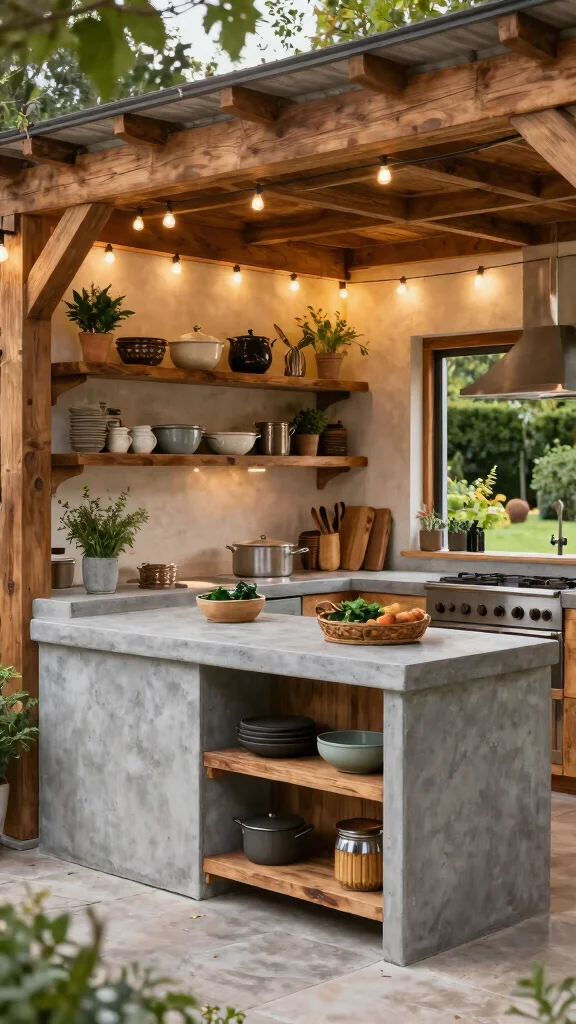
Combining concrete with natural wood creates a warm, inviting atmosphere for your outdoor kitchen. This rustic aesthetic merges the durability of concrete with the organic charm of wood, making it perfect for those who appreciate a cozy, earthy vibe. Picture reclaimed wood beams above a sturdy concrete countertop, offering both beauty and functionality in your cooking space.
For a sustainable touch, consider using reclaimed wood that brings character while being environmentally friendly. A wooden pergola can add shade and enhance the rustic feel of your outdoor kitchen. Balance your design with open wood shelving paired with concrete surfaces to achieve a harmonious look.
Ideas for a rustic blend:
– Use weathered wood for shelving or accents.
– Incorporate stone elements for a natural feel.
– Keep decor simple with mason jars and fresh herbs.
– Ensure the layout offers an easy flow between cooking and dining areas.
This combination fosters a cozy gathering spot where loved ones can enjoy delicious meals in a beautiful outdoor setting.
Recommended Products

Exceptional Multi-Functionality: This outdoor kitchen island functions as a grill cart, outdoor table with storage, outdoor bar, serving cart, food prep station, or pizza oven stand. Its sturdy construction makes it suitable for the patio, backyard, garage, or even indoor kitchen use

Premium Stainless Steel Tabletop: Made of high-quality stainless steel tabletop, this outdoor grill cart features a stable, non-wobbling structure supporting up to 88.2 lbs / 40 kg, while the surface is easy to clean and rust-proof
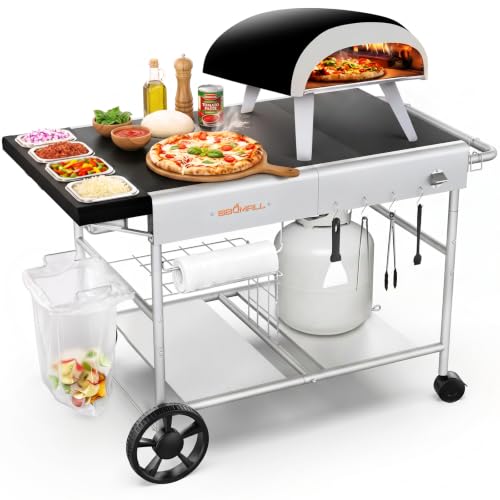
【Fit Perfectly】 Replaces for pizza oven accessories , for Pizza Oven Table and stands as a modular table for 16, 12 Gas Powered Pizza Oven, Fits Cuisinart CGG-403, BIG HORN OUTDOORS, Solo Stove, Gozney Roccbox Pizza Oven. Serves as an outdoor kitchen island for most tabletop pizza ovens. Also fits Blackstone Griddle, Ninja Air Fryer, Ninja Woodfire Outdoor Oven and Grill - Replace for 2 PRO Table
3. Elevated Cooking Station
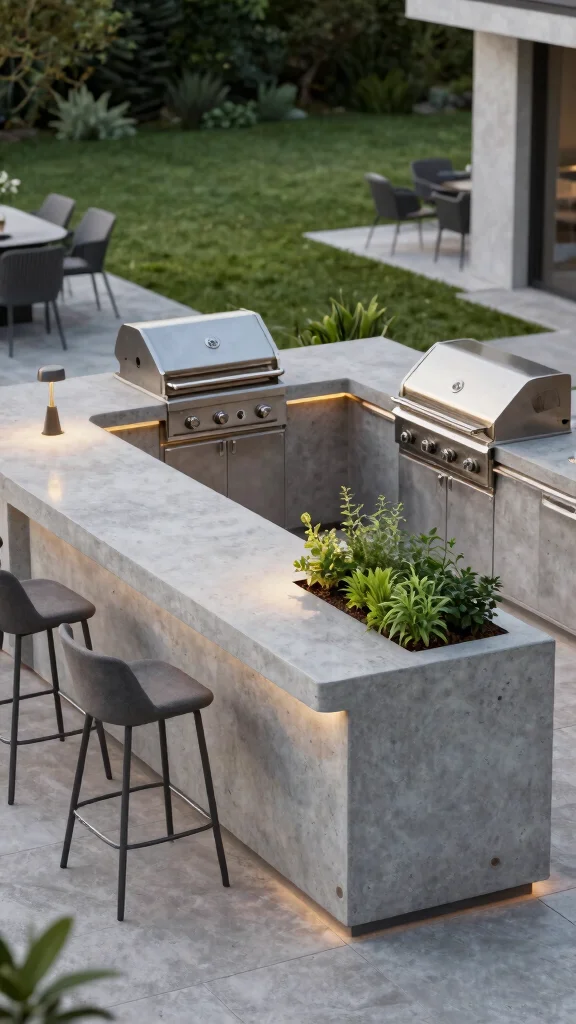
Elevate your outdoor cooking experience with a raised concrete cooking station. This design enhances ergonomics, allowing you to cook comfortably while adding a modern flair to your outdoor space. Visualize a raised countertop that invites casual conversation, where bar stools provide a perfect spot for friends to gather while you prepare meals.
Integrating a small herb garden into your cooking station brings fresh flavors right to your fingertips. Plan your layout to include both grilling and prep areas so that everything is easily accessible, making cooking a breeze.
Considerations for an elevated station:
– Ensure the height is comfortable for most users.
– Use durable materials that withstand outdoor elements.
– Add task lighting for evening cooking sessions.
– Accessorize with stylish yet functional cooking tools for a polished look.
This outdoor kitchen design not only maximizes space efficiently but also invites creativity and interaction when preparing meals.
Recommended Products
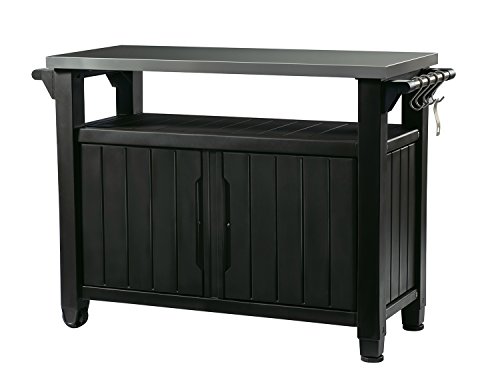
DIMENSIONS: Exterior: 52. 7 in. W x 20. 5 in. D x 35. 5 in. H / Interior: 40. 9 in. W x 16. 3 in. D x 18. 5 in. H

Stainless Steel Tabletop: This Outdoor Grill Table features a rust-resistant, stain-resistant stainless steel top that’s easy to clean. Perfect for food prep, it provides a durable and low-maintenance workspace for grilling and cooking outdoors

Multi-Function: This outdoor kitchen Island as an outdoor kitchen cabinets or grill table, whether you're hosting a backyard bbq or simply enjoying a meal, you can create the ultimate outdoor kitchen experience, making it a must-have for any cooking
4. L-Shaped Concrete Kitchen
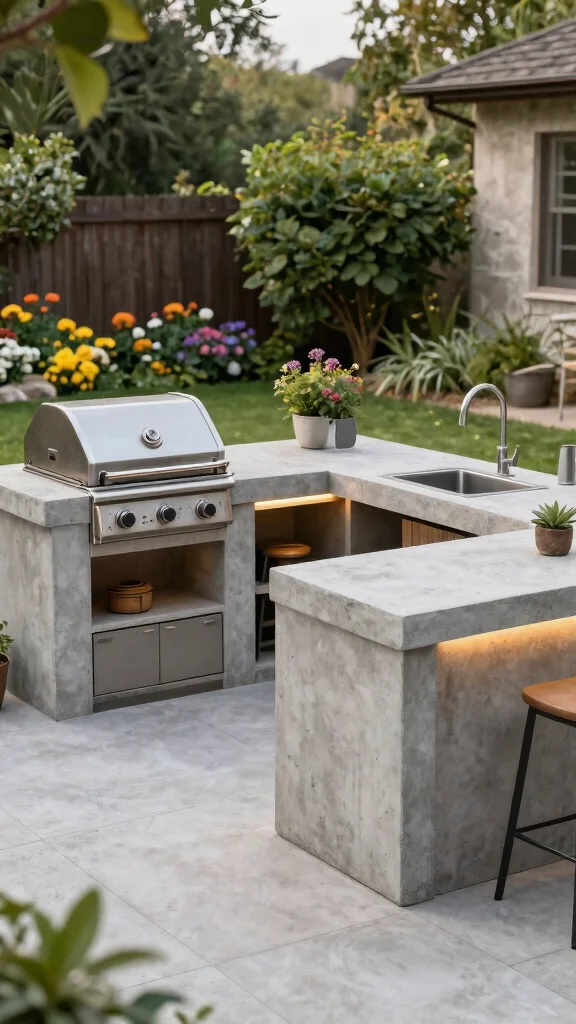
An L-shaped concrete kitchen is an excellent way to optimize space, offering distinct areas for cooking and dining. This thoughtful layout enhances flow, making it easy to transition between meal preparation and entertaining guests. Imagine one leg of the L dedicated to grilling and meal prep, while the other serves as a sociable dining area with bar seating.
This arrangement encourages interaction, allowing guests to engage in the cooking process while enjoying their meals. It’s a perfect setup for gatherings where everyone can feel involved and connected.
Design tips for your L-shaped kitchen:
– Consider including under-counter lighting for ambiance.
– Choose a contrasting material for bar stools to create visual interest.
– Incorporate built-in storage solutions to keep the area clutter-free.
– Use a variety of textures in your decor to add depth.
This design not only prioritizes functionality but also enhances the overall entertaining experience.
An L-shaped outdoor kitchen concrete layout makes hosting effortless. It creates distinct zones for grilling and dining, so guests mingle while you prep. And the flow stays smooth with durable, recycled concrete that lasts season after season.
Recommended Products

【Extra Large Size】This grill mat's size is 76 x 52 inches, serving as a robust shield against stray embers or flames. It effectively collects spills, splashes, and other debris, safeguarding your floors from oil, sauce, charcoal, and heat. This minimizes the cleaning effort, enabling you to fully relish your outdoor experience. Unlike other sizes of grill mats, it can accommodate any size of large grill, perfect for large gatherings

ULTIMATE PROTECTION FOR YOUR OUTDOOR SPACES - Protect your deck, patio, or lawn from oil, grease, and stains while grilling. Our 48 x 30 inch under grill mat for deck provides coverage for most grills, large or small, keeping your outdoor environment hygienic and free from mess, reducing cleanup time so you can fully enjoy your BBQ.

Durable material: the new MGO ceramic material base is heat-resistant, rust resistant, making it durable and long-lasting. The deepened iron pot can withstand high fire, and the sturdy bottom can prevent cracking
5. Integrated Fire Pit Kitchen
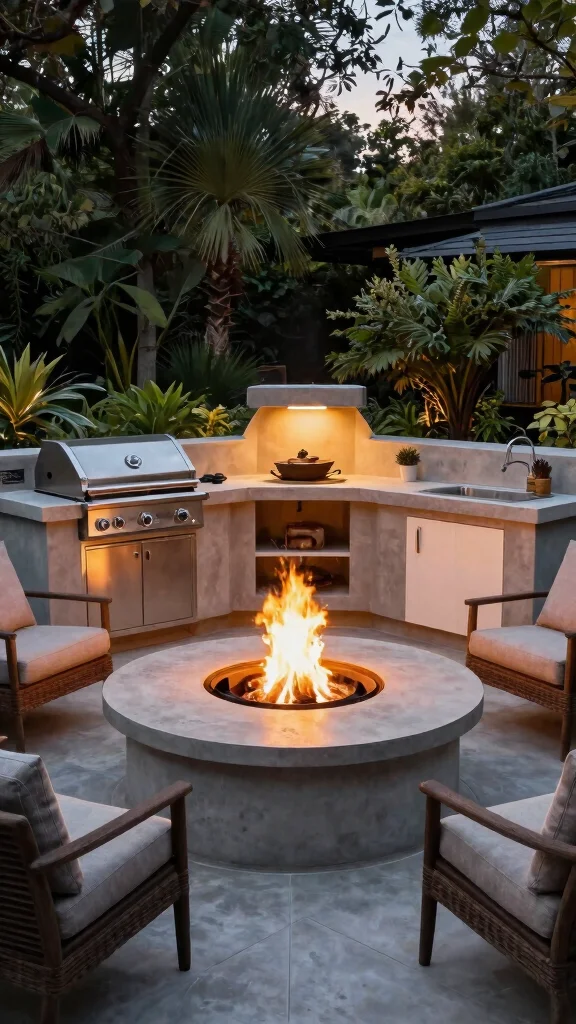
Imagine an outdoor kitchen where a fire pit seamlessly integrates with your cooking space. This design is perfect for those who love the warmth and ambiance of a fire, especially during evenings spent outdoors. Envision a circular countertop that wraps around the fire pit, creating a natural gathering place for family and friends.
Having a fire pit nearby enhances your outdoor cooking experience, allowing you to enjoy meals year-round. Opt for durable materials like reinforced concrete that can withstand heat while maintaining style.
Benefits of an integrated fire pit:
– Provides warmth and ambiance during cooler evenings.
– Creates a natural gathering space for friends and family.
– Allows for versatile cooking options, such as grilling or roasting.
– Enhances the overall aesthetics of your outdoor kitchen.
This setup not only adds functionality to your outdoor kitchen but also infuses it with a unique charm you’ll cherish all year round.
Fact: A circular countertop around a fire pit invites conversations and can boost outdoor gatherings by 30%—perfect for year-round meals. Using reinforced outdoor kitchen concrete keeps the design durable while staying eco-friendly, since recycled concrete elements blend strength with sustainability in outdoor kitchen zones.
Recommended Products

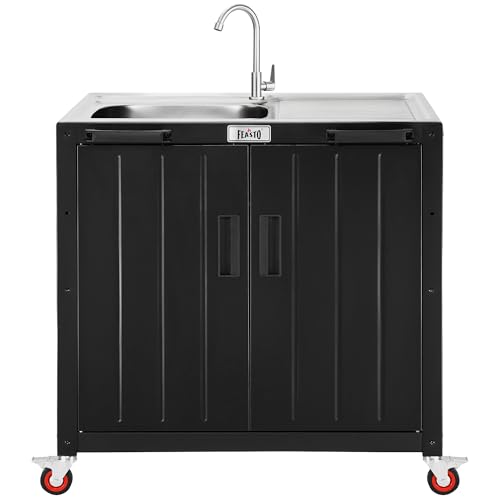
Grill-Side Prep Station: Never leave the grill while cooking. This all-in-one sink station combines a spacious countertop and a deep 6.3" sink right beside your grill—perfect for rinsing ingredients, washing hands, or cleaning tools on the spot. From prep to cleanup, everything stays efficient and uninterrupted. It's also designed for food washing, garden cleaning, or utility use—adapting easily to both outdoors and indoors

🐋【Stackable Bar Stools】:The backrest is removable.After removing the backrestYou can stack this barstool and place it in a corner when not in use. This will save you space.It is an ideal pick for limited/crowded space.No more chaos, only tidiness and fresh remain.
6. Eco-friendly Concrete Features
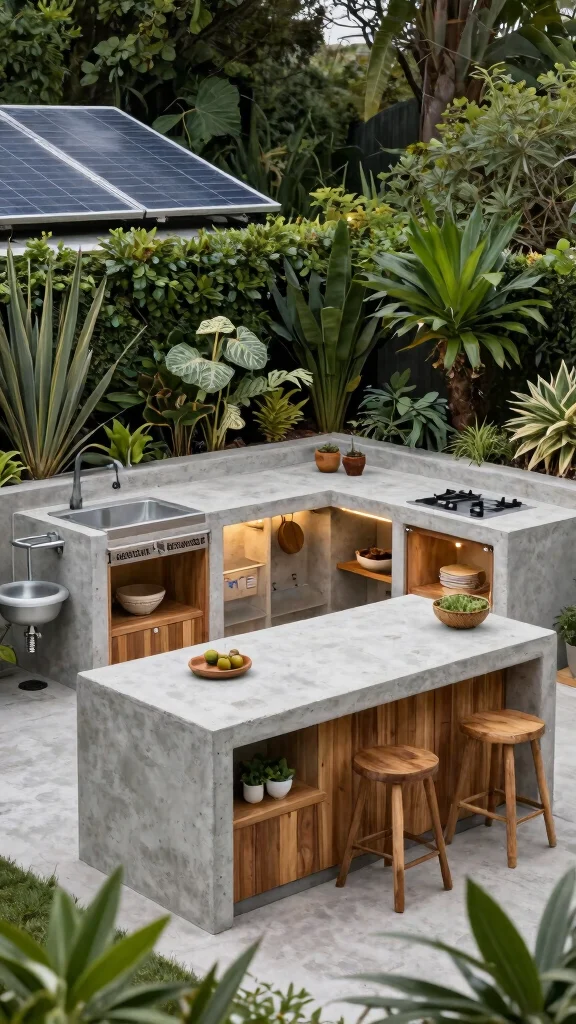
Sustainability is increasingly essential in outdoor kitchen design. By choosing eco-friendly concrete features, you can significantly reduce your environmental impact while creating a stylish cooking space. Consider using recycled concrete for countertops and sustainable materials for cabinetry, promoting an eco-conscious approach while ensuring durability.
Implementing a rainwater harvesting system can help maintain your garden and reduce water usage. Additionally, integrating solar panels for outdoor lighting or appliances adds a modern touch without compromising environmental integrity.
Ways to make your kitchen eco-friendly:
– Choose recycled materials wherever possible.
– Create a compost station for food waste.
– Use energy-efficient appliances.
– Consider drought-resistant plants to complement your outdoor space.
With an eco-friendly approach, you can enjoy your outdoor kitchen while being kind to Mother Nature.
Recommended Products
Recycled Tire-Link Construction: Made from recycled tires and fabric materials to provide long-lasting durability for busy residential and commercial entrances

LARGE HANGING PLANTERS - Set of 2 hanging planters for outdoor plants, featuring spacious size (13.1"(Upper D) *6.2" H) and large capacity (2 gallons) per planter, guaranteeing sufficient space for your pothos, ivy, and spider plants to grow.

Multi use: Portable Outdoor plastic thin tubes or straw patio rugs 6x9 feet, finds its use as rv awning beach Camping picnic portable plastic mats rugs or carpets. AKA plastic straw rugs or large outdoor patio rugs waterproof.
7. Concrete Barbecue Station
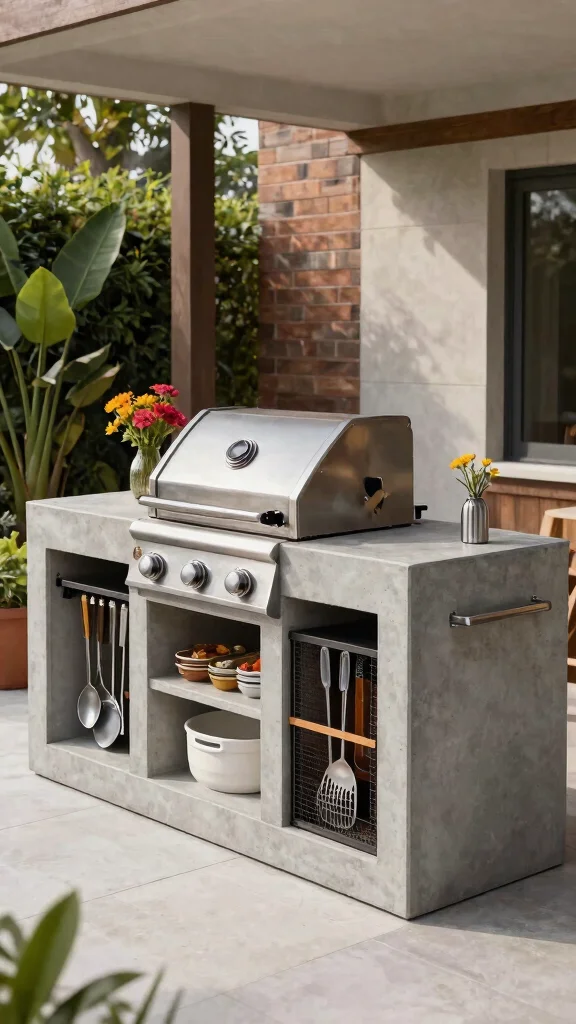
A dedicated concrete barbecue station can take your outdoor cooking to a new level. This setup is ideal for grilling enthusiasts who desire a well-organized space to showcase their culinary skills. Picture built-in grilling appliances alongside ample counter space for preparation and an area dedicated to keeping your barbecue essentials organized.
Opt for a sturdy concrete base and enhance it with tile accents for a unique, durable look. This design ensures that you have everything you need at your fingertips for a successful cookout.
Key elements for a barbecue station:
– Integrated storage for grilling tools and accessories.
– Adequate counter space for food prep.
– Convenient lighting for evening grilling.
– Use attractive finishes for a polished look.
With a well-designed barbecue station, you’ll be ready to host backyard cookouts and impress your guests with your grilling prowess.
Recommended Products

Organization & Convenience: Effortlessly organize your grilling essentials with three included stainless steel spice pots, a built-in paper towel holder, a side storage bin, and handy tool hooks. Everything you need is within arm's reach, making your BBQ experience seamless and enjoyable.

Drawers Combo: Overall Size: 38.3"W x 22.7"H x 20.7"D. Cutout Size: 36.4"W x 20.7"H x 21"D. Three layer drawers can keep your kitchen neat and everything organized. The access door by the side comes with a large space for the trash bin or the propane tank.
8. Multi-Functional Outdoor Space
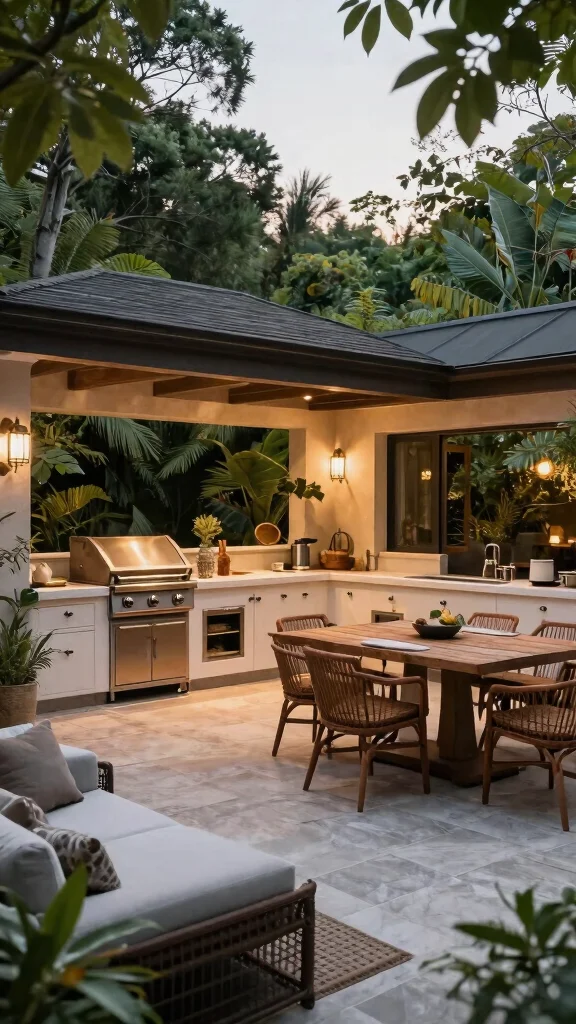
Creating a multi-functional outdoor kitchen involves blending spaces for cooking, dining, and lounging into one cohesive area. This approach maximizes usability, providing the perfect backdrop for social gatherings. Imagine a layout where concrete defines each zone, featuring a grilling area, a dining table, and a cozy lounge with comfortable seating.
Incorporate elements like outdoor lighting and weather-resistant furniture to ensure your space is usable year-round. By thoughtfully designing each area, you create a welcoming environment for friends and family to enjoy.
Considerations for a multi-functional design:
– Plan for clear pathways between zones.
– Use furniture that can withstand all weather conditions.
– Incorporate greenery to create a natural feel.
– Think about how each space can flow into one another.
This design not only looks fantastic but also fosters an inviting atmosphere for entertaining loved ones.
Recommended Products

【Durable Tabletop】 This outdoor grill cart features a premium stainless steel tabletop. That is sturdy and durable with excellent load-bearing capacity.The stainless steel tabletop is not only heat-resistant and deformation-proof, but also easy to clean, maintaining its attractive appearance over time

Stainless Steel Tabletop: This Outdoor Grill Table features a rust-resistant, stain-resistant stainless steel top that’s easy to clean. Perfect for food prep, it provides a durable and low-maintenance workspace for grilling and cooking outdoors

Premium Stainless Steel Tabletop: Made of high-quality stainless steel tabletop, this outdoor grill cart features a stable, non-wobbling structure supporting up to 88.2 lbs / 40 kg, while the surface is easy to clean and rust-proof
9. Urban Concrete Oasis
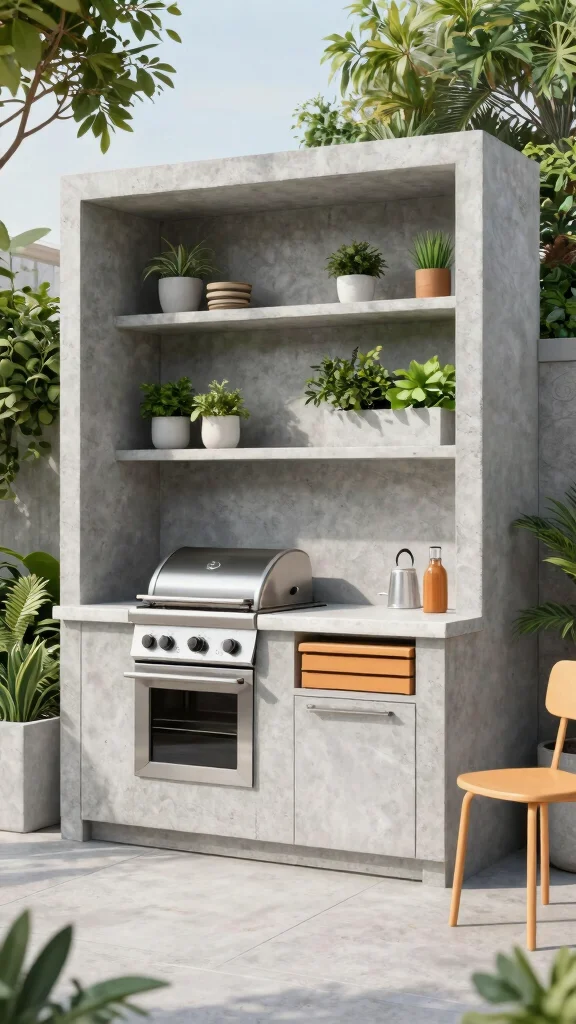
For city dwellers, an urban concrete oasis provides a delightful way to enjoy outdoor cooking in smaller spaces. These designs leverage concrete’s durability to create compact yet stylish kitchens that feel inviting. Picture vertical shelves and planters maximizing every inch of your outdoor area, enhancing functionality without sacrificing style.
Incorporate essentials like a small grill, sink, and prep area to create a chic cooking experience. Opt for lightweight furniture that can easily be rearranged to suit your needs.
Tips for your urban oasis:
– Use concrete planters for greenery without taking up too much space.
– Incorporate colors to add vibrancy to your kitchen.
– Consider removable furniture to make cleaning easier.
– Use vertical gardens for a touch of nature.
Creating an urban oasis allows you to enjoy the benefits of an outdoor kitchen, even in the tiniest of spaces.
Urban living proves you don’t need a big yard to love your outdoor kitchen concrete. Build vertical shelves and planters to maximize every inch, then add a compact grill and sink for a chic, functional setup you’ll actually use.
Recommended Products

【Extre Large Size】This grill mat's size is 90 x 52 inches, serving as a robust shield against stray embers or flames. It effectively collects spills, splashes, and other debris, safeguarding your floors from oil, sauce, charcoal, and heat. This minimizes the cleaning effort, enabling you to fully relish your outdoor experience. Unlike other sizes of grill mats, it can accommodate any size of large grill, perfect for large gatherings

[3 IN 1]: OutVue fire pit is equipped with 2 cooking grills, 1 lid and tabletop. When you fix grills and tabletop to the fire pit, you can enjoy the roast and bonfire. When it not make fire and cover the lid, you will get a 36 inch round table to have a meal or coffee for 6-8 persons. OutVue provide a wood fire pit has 3 functions: bonfire, barbecue and table, which can be used all year for your garden, yard, patio. This's also a very thoughtful gift to friends.
Key Trade-offs & Our Top Pick
Option Comparison
Minimalist Concrete Kitchen Island
– Pros:
– Sleek design that fits modern aesthetics ✔
– Easy to clean and maintain, making it practical for outdoor use 🚀
– Cons:
– Limited storage space might not suit everyone’s needs
– May require additional elements like cabinets for functionality
– Best for: Those who value simplicity and a contemporary look in their outdoor space.
Rustic Concrete and Wood Blend
– Pros:
– Combines warmth of wood with the durability of concrete 💡
– Offers a cozy, inviting space for family gatherings
– Cons:
– Wood components may require more maintenance over time
– Can be more expensive due to mixed materials
– Best for: Homeowners wanting a charming, rustic feel while still enjoying the durability of concrete.
Elevated Cooking Station
– Pros:
– Provides a dedicated space for serious cooks and grill enthusiasts ✔
– Easy to add additional features like sinks or storage
– Cons:
– Can be bulky and may take up more space than desired
– Higher cost due to additional features
– Best for: Those who frequently entertain and need a fully functional cooking space.
Integrated Fire Pit Kitchen
– Pros:
– Creates a cozy atmosphere for evening gatherings 🔥
– Dual functionality for cooking and heating
– Cons:
– Fire pit may require extra safety measures and maintenance
– Higher initial investment compared to standard kitchens
– Best for: Families looking to combine cooking with socializing around a fire.
Eco-friendly Concrete Features
– Pros:
– Offers a sustainable option with recycled materials 🌱
– Reduces environmental impact while still being stylish
– Cons:
– May have limitations in terms of design flexibility
– Possible trade-offs in durability based on material source
– Best for: Environmentally conscious consumers who want a trendy yet sustainable space.
Expert Recommendation:
Best Overall: Rustic Concrete and Wood Blend
This option strikes a great balance between style and function. It combines the durability of concrete with the warmth of wood, making it versatile for various aesthetics. You’ll find it easy to entertain guests or enjoy family meals, knowing your outdoor kitchen is both stylish and functional. Plus, the rustic charm appeals to many tastes while ensuring a durable outdoor space.
Why We Picked This:
While the rustic concrete and wood blend kitchen is great for most, some might prefer the minimalist design for its simplicity. Others may want the features offered by the elevated cooking station for serious culinary endeavors. Choose based on your specific needs and how you plan to use your outdoor kitchen. Each option has unique advantages and limitations, so weigh them carefully to find your perfect fit.
10. Customizable Concrete Components
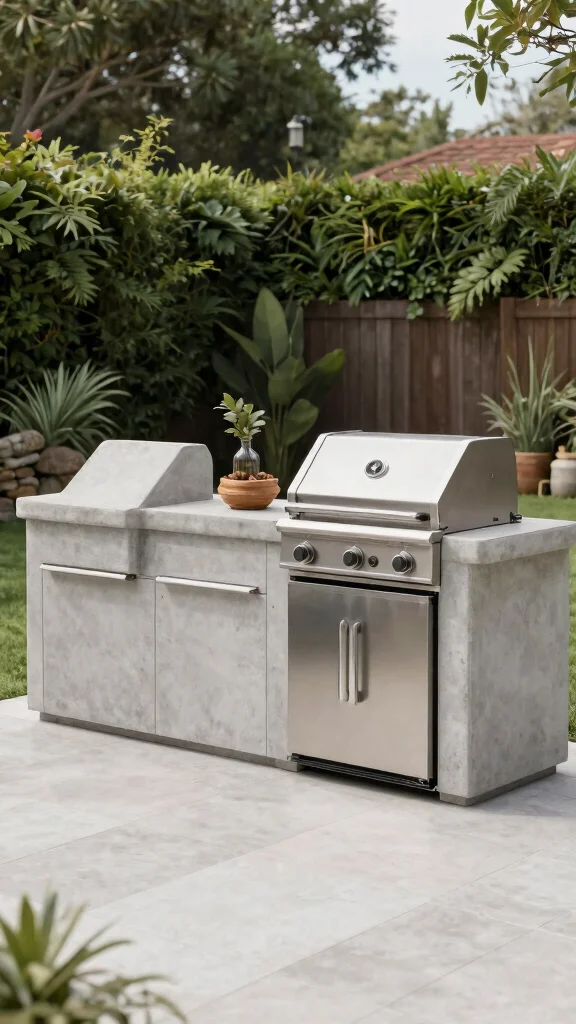
One of the standout features of concrete outdoor kitchens is their remarkable versatility. You can customize each element to create a space that meets your specific needs and aesthetic preferences. Imagine modular components that can be rearranged as your cooking style evolves, with built-in appliances tailored to your culinary habits.
This adaptability not only allows for personal touches but also makes it easy to integrate new features without the need for extensive renovations. Creating a unique outdoor kitchen has never been easier, as you can craft a space that truly reflects your lifestyle.
Benefits of customizable designs:
– Flexibility to update your kitchen as your needs change.
– Personalized touches create a unique outdoor space.
– Easy integration of new appliances or features.
– Sustainable approach by maximizing existing resources.
Custom designs enable you to create an outdoor kitchen that’s tailored to your lifestyle, ensuring it evolves with you.
11. Stylish Concrete Finishes
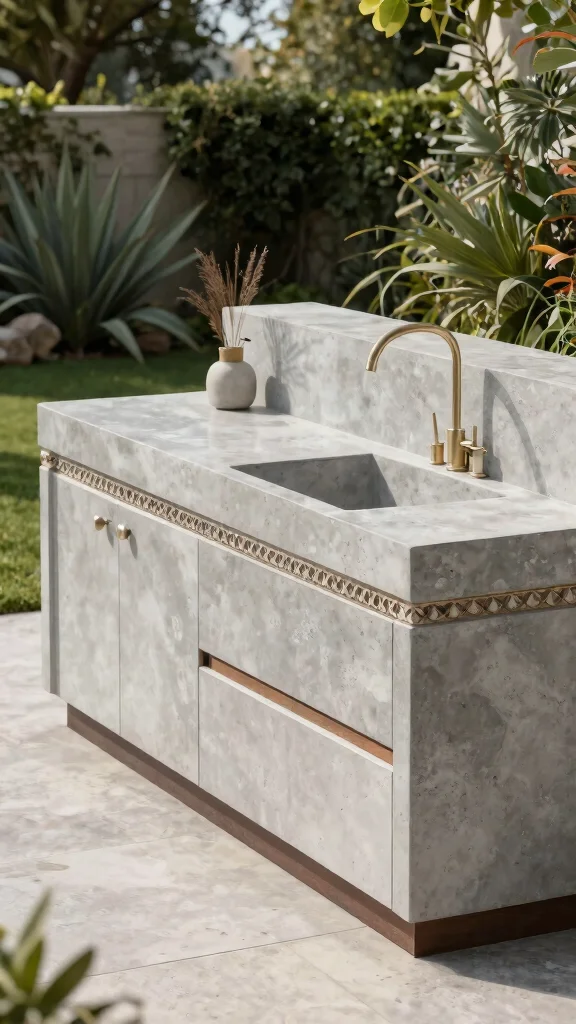
Exploring stylish finishes for concrete outdoor kitchens opens up a world of aesthetic possibilities. From polished surfaces to textured patterns, the options are endless when it comes to elevating your kitchen’s appeal. Finishing techniques can transform concrete to mimic the look of wood, stone, or tile, allowing for a personalized touch.
Consider using color stains that complement your home’s exterior or opt for a sleek monochrome palette. Additionally, practical considerations like slip-resistant textures ensure safety while enhancing beauty.
Finishing options to explore:
– Stained or dyed concrete for unique colors.
– Textured finishes for added character.
– Polished surfaces for a sleek, modern look.
– Decorative edging to enhance visual appeal.
Stylish finishes not only enhance the beauty of your outdoor kitchen but also contribute to its longevity and functionality.
Conclusion
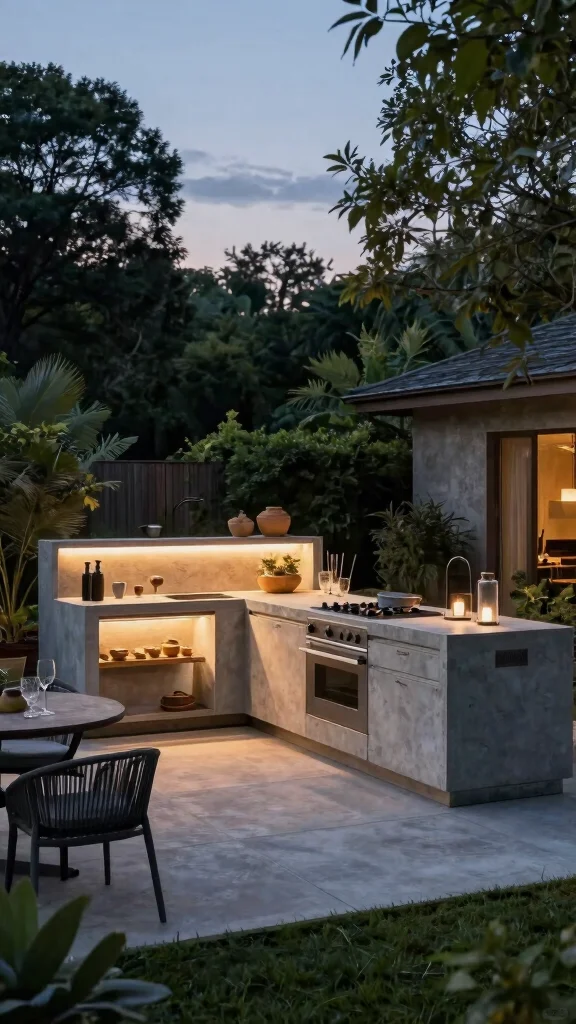
Concrete outdoor kitchens are more than just a functional space; they’re an invitation to enjoy cooking and entertaining in the great outdoors. With their modern designs and sustainability in mind, these kitchens are built to stand the test of time while offering style and comfort.
From customizable components to integrated fire pits, there are endless possibilities to create your dream outdoor kitchen. As you plan your space, consider how you can incorporate unique elements that reflect your personality and lifestyle.
Note: We aim to provide accurate product links, but some may occasionally expire or become unavailable. If this happens, please search directly on Amazon for the product or a suitable alternative.
This post contains Amazon affiliate links, meaning we may earn a small commission if you purchase through our links, at no extra cost to you.
Frequently Asked Questions
Why is recycled concrete a smart choice for an outdoor kitchen?
Recycled concrete is a smart choice for an outdoor kitchen because it blends toughness with sustainability. It resists the weather, handles heat from grills, and stands up to daily use in a garden setting. Plus, using recycled concrete reduces waste and lowers the embodied energy of your project, helping you build durable outdoor spaces with a smaller environmental footprint. When you use it for outdoor kitchen concrete countertops, islands, or planters, you can achieve a seamless, cohesive look that fits into concrete kitchen design ideas.
To maximize longevity, choose a high-quality mix, ensure proper curing, and seal surfaces with a breathable, UV-stable sealer. Plan for drainage and slip resistance, and consider frost-resistant detailing if you live in freezing climates. Routine cleaning with mild soap, avoiding harsh chemicals, and resealing every 2–5 years depending on exposure will keep the finish looking great for years.
How can I design a modern outdoor cooking space using concrete while keeping it durable?
Designing a modern outdoor cooking space with concrete starts with a solid plan. Map out zones for prep, cooking, serving, and seating, and choose a concrete kitchen design that features clean lines, built-ins, and integrated storage. Use durable, non-slip concrete surfaces for counters and floors, and pair with weather-friendly materials like stainless steel, teak, or powder-coated steel for contrast. Don’t forget proper drainage and a slight slope to guide rain away. For sustainability, specify recycled aggregates and local sourcing when possible, and seal all surfaces to protect from water and UV exposure. With these steps you can create durable outdoor spaces that feel instantly stylish and perfect for stylish outdoor entertaining.
What are the best concrete patio ideas to complement a sustainable outdoor kitchen design?
Yes, there are creative concrete patio ideas that complement a sustainable outdoor kitchen. Build an integrated island in outdoor kitchen concrete, use form liners for texture, and add seating benches in poured concrete around a dining area. Surround the kitchen with permeable pavers or crushed stone to improve drainage and reduce runoff. Incorporate planters and trellises to bring greenery to the space, which softens the mass of concrete and supports a garden-friendly, sustainable aesthetic. When selecting finishes, consider light-neutral tones to keep the area bright and to align with concrete kitchen design goals.
What maintenance steps keep your concrete outdoor kitchen looking fresh year-round?
Maintenance basics for concrete counters and surfaces are simple. Sweep regularly, wash with a mild soap solution, and avoid acidic cleaners that can etch the surface. Reseal every 2–3 years (more often in sunny or coastal climates) with a breathable, UV-resistant sealant to preserve color and prevent staining. Patch any small cracks promptly with appropriate concrete repair products, and use protective mats or trivets where hot cookware sits. Protecting from harsh weather and direct sun helps sustain durable outdoor spaces and keeps your outdoor kitchen concrete looking fresh.
Is a concrete outdoor kitchen worth the investment for durable outdoor spaces and stylish outdoor entertaining?
Like any major upgrade, the cost depends on size, complexity, and materials, but a concrete outdoor kitchen can offer long-term value. When you factor in durable materials, low maintenance, and the sustainable appeal of recycled concrete, you often save on replacements over time, making it a smart investment for durable outdoor spaces and stylish outdoor entertaining. Get multiple quotes, consider phased design to spread costs, and choose modular components that fit your budget. Look for local installers who specialize in concrete kitchen design and recycled content; their expertise helps ensure a high-quality finish and a longer lifespan for your outdoor kitchen concrete.
Related Topics
outdoor kitchen concrete
sustainable design
modern outdoor cooking
concrete kitchen design
durable outdoor spaces
recycled materials
stylish entertaining
concrete patio ideas
backyard upgrades
easy maintenance
eco-friendly outdoor
contemporary style