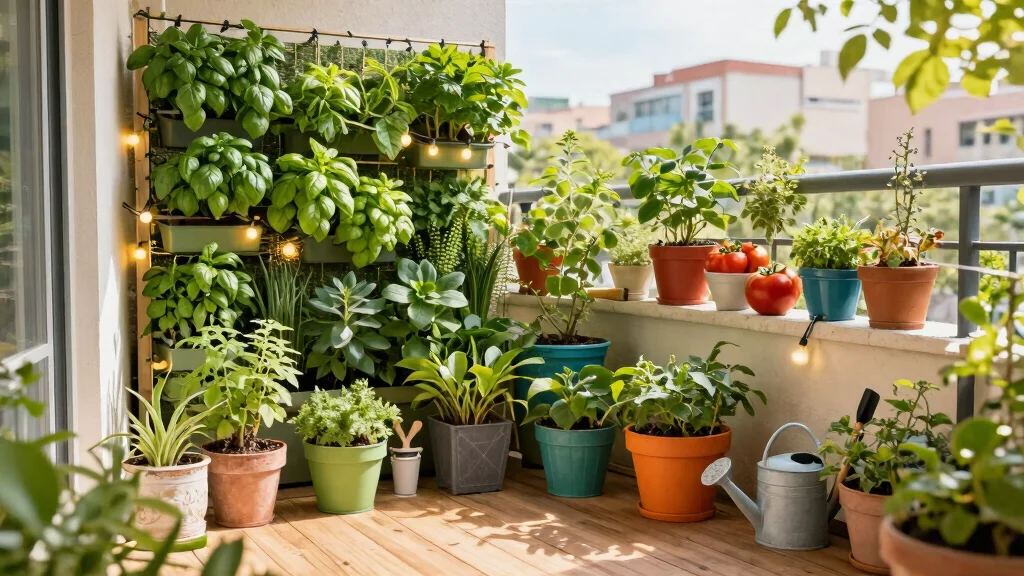
Creating a small kitchen garden can feel like a daunting task, but I’m here to tell you that it doesn’t have to be. Urban living often means limited space, and if you’re like me, you might be craving fresh herbs or homegrown vegetables but unsure how to make it happen. With so many small kitchen garden ideas out there, it’s possible to cultivate a lush, green haven right in your own home. Let’s explore some inspired ways to turn your limited space into a thriving garden.
If you love gardening but feel limited by your environment, this post is for you. Whether you’re a seasoned gardener or just starting out, you’ll find tips that cater to your needs. From container gardening on a balcony to vertical gardens that save space, these ideas are perfect for anyone looking to grow edible plants without a sprawling backyard. You don’t need a green thumb to create a lively kitchen garden—you just need a little creativity and some practical guidance.
In this article, you’ll discover 12 small kitchen garden ideas that are not only beautiful but also functional. Each idea is designed to help you maximize your space and enjoy the fresh flavors of homegrown produce. Get ready to dive into a world of gardening tips that will have you dreaming of your next delicious meal, all while basking in the lush greenery you’ve cultivated.
Key Takeaways
– Discover effective ways to utilize vertical space with ideas like Vertical Herb Walls and Stackable Planters to maximize your gardening potential.
– Learn how to create stunning Balcony Containers that not only beautify your space but also provide easy access to fresh herbs and vegetables.
– Explore the use of Hanging Garden Baskets and Window Box Gardens to add charm and functionality to your small kitchen garden setup.
– Understand the benefits of Recycled Container Gardening and DIY Planter Boxes that are both eco-friendly and cost-effective.
– Get insights on advanced gardening methods like Aquaponic and Hydroponic Systems for those wanting to take their small kitchen garden to the next level.
Recommended Products
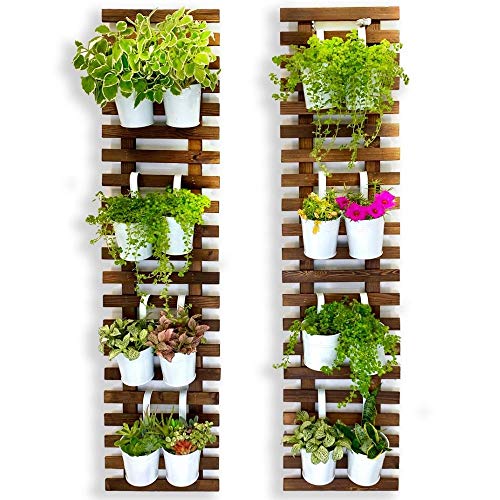
29x120cm (11.4" x 47.2") x 2 pcs. Plants, flowers, pots, decorations are NOT included

10 PACK SET: 5 inch (outer pot); 3.8 inch (inner pot), small size, fit 3-3.5” nursery pot. Check image for detailed dimension and pick the right size for your plants to prevent unpleasant experience and potential wastage on resources

Innovative Space-saving Design: maximize your gardening potential with our stackable wall planter system; Each piece measures 9.45" x 5.71" x 5.51" and features two pockets, The overall dimensions are 47.5"x33"x5.5" offering ample growth space for a variety of plants; Nice for Fence Balcony Wall Decor, these vertical wall planters change limited spaces into gardens effortlessly
1. Vertical Herb Wall
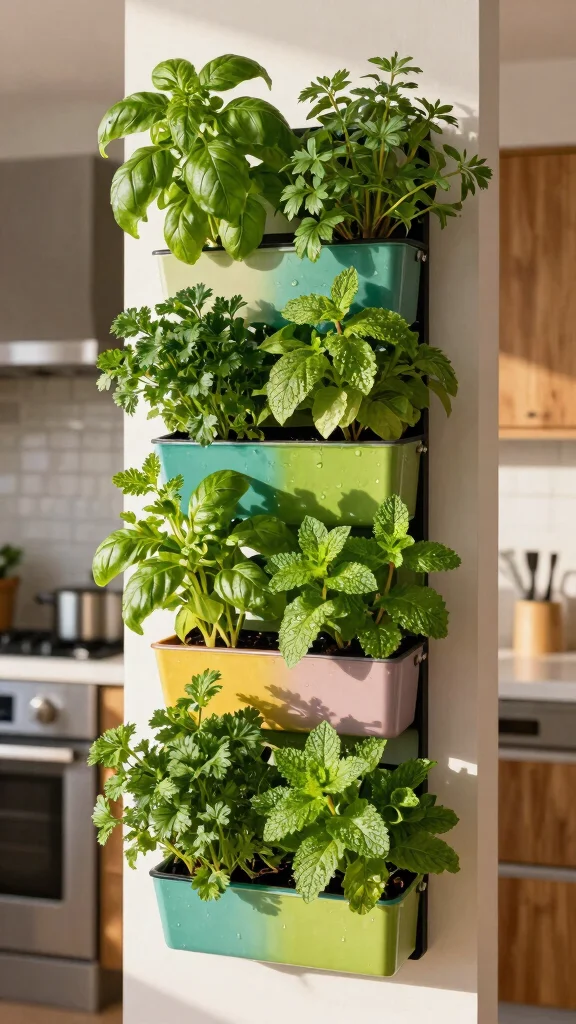
Imagine stepping into your kitchen and being greeted by a vibrant wall of fresh herbs. This vertical herb wall not only saves precious counter space but also infuses your cooking area with delightful greenery. With herbs like basil, cilantro, and parsley cascading down, you’ll have an aromatic garden right at your fingertips, ready to enhance your dishes.
Planting these herbs is easy, and they thrive with minimal care. Just ensure they get plenty of sunlight, and you’ll enjoy a fresh supply for your culinary creations.
Tips:
– Combine various herbs for a colorful display.
– Make sure they receive adequate sunlight.
– Water from the top to prevent oversaturating lower plants.
– Arrange them in varying heights for visual interest.
With just a few shelves and pots, your kitchen can feel like a lush herb garden every single day!
Recommended Products

MADE IN THE USA – SUPPORTS 3 SMALL BUSINESSES Proudly manufactured in the United States. Every Smart Spring planter purchased directly supports three small U.S. businesses, helping keep jobs and production local.

Space-Saving : This strawberry planter maximizes your gardening space by stacking 5 layers to grow more plants in a compact area. The strawberry tower planter is ideal for patios, balconies, or indoor use

High-quality Product: Thick, high-quality PP materials can be used repeatedly without fading, not easy to crack even in summer, suitable for garden or indoor use
2. Stackable Planters
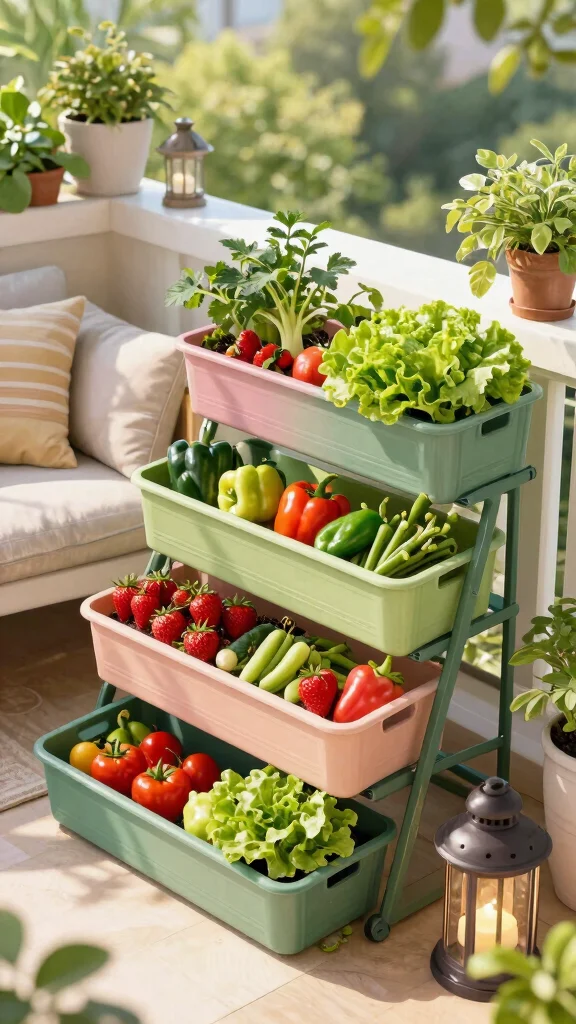
Feeling limited by space? Stackable planters are your perfect solution for creating a thriving garden in small areas. These clever containers let you grow multiple plants vertically, making the most of your available space. Fill them with strawberries, peppers, or lettuces, and watch them flourish in this compact arrangement.
Not only do stackable planters optimize sunlight exposure, but they also simplify maintenance, allowing you to water all your plants at once. Plus, they add a unique decorative element to your garden.
Benefits:
– Maximizes sunlight for each plant.
– Easy to care for with grouped watering.
– Creates an eye-catching garden feature.
– Fits perfectly on patios or balconies without cluttering your space.
These stylish planters will enhance your garden while ensuring your plants thrive!
Stackable planters make every inch count—literally. With vertical beds, you can grow berries, peppers, or lettuce in a balcony nook, turning your small kitchen garden into a thriving space, and water all at once. Small-space farming? It’s not just doable, it’s daily bliss.
Recommended Products

U-Shaped Double-Headed Zipper: Compared to a straight zipper, the wider and higher opening design makes it easier to put in and take out harvested items from the drying rack. High-quality zipper with sturdy sliders for smooth sliding; the larger sliders are easy to operate.
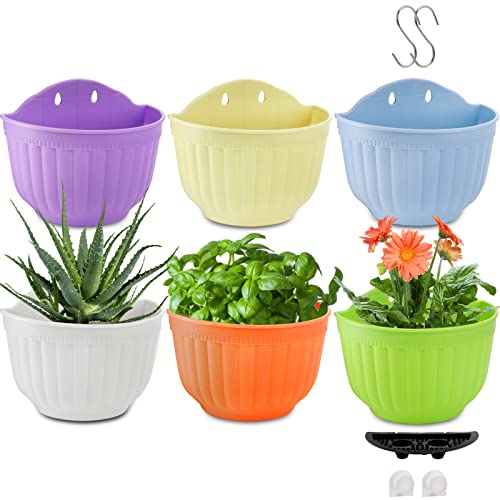
Our railing plant pots are made of premium tough PP resin material, non-toxic, weather-resistant and shatter-proof, sturdy and lightweight for indoor or outdoor uses. The matching S hooks are made of rust-proof and heavy-duty stainless steel

MAXIMIZE YIELD IN ONE HANGING BASKET – Designed for growing hanging strawberries, herbs, vegetables, and flowers with bigger, fuller results than traditional hanging planters. Ideal for patios, balconies, porches, and small spaces.
3. Balcony Containers
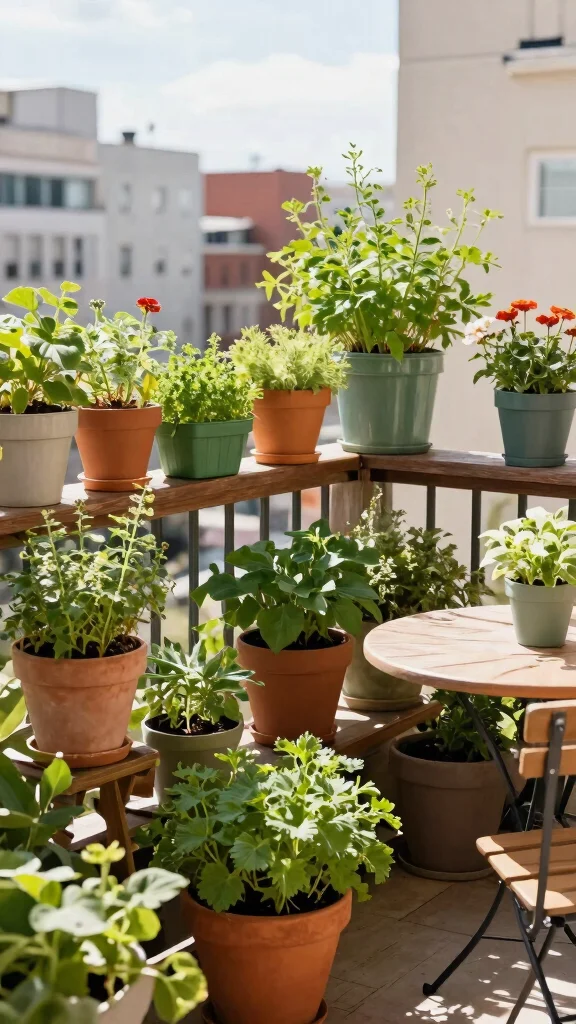
Transform your balcony into a lush garden oasis with a variety of containers! By using different pot sizes, you can create a diverse and inviting planting environment. Select pots that match your personal style—be it rustic terra cotta, bright ceramics, or creatively repurposed materials.
Fill your containers with an assortment of herbs, vegetables, and even edible flowers, turning your balcony into a picturesque view from inside.
Suggestions:
– Mix herbs, veggies, and flowers for a colorful display.
– Ensure proper drainage in your pots to avoid root rot.
– Use nutrient-rich potting mix for healthy growth.
With easy access to fresh ingredients, your balcony garden will not only enhance your cooking but also beautify your home!
On a balcony, a small kitchen garden can flourish with just a few containers. Pro tip: mix herbs, veggies, and edible flowers in varied pots and stack them on shelves to maximize space—your urban balcony becomes a lush, productive oasis.
Recommended Products
![Arcadia Garden Products PSW Pot Collection [17.5 inch] Plastic/Stone/Wood Composite Window Box Rectangular Planter – No Drainage Hole (Drillable), Indoor/Outdoor Pot for Flowers and Vegetables, Taupe](https://m.media-amazon.com/images/I/41Om-tc3InL._SL500_.jpg)
Made with Recycled Materials: A blend of recycled plastic, stone powder, and wood dust, PSW Pots are eye-catching and long-lasting for mindful gardening
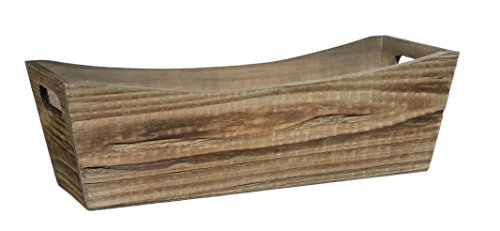
Classic design and great finish - A great addition to any patio, deck, garden, counter top, desk, or windowsill.

4. Hanging Garden Baskets
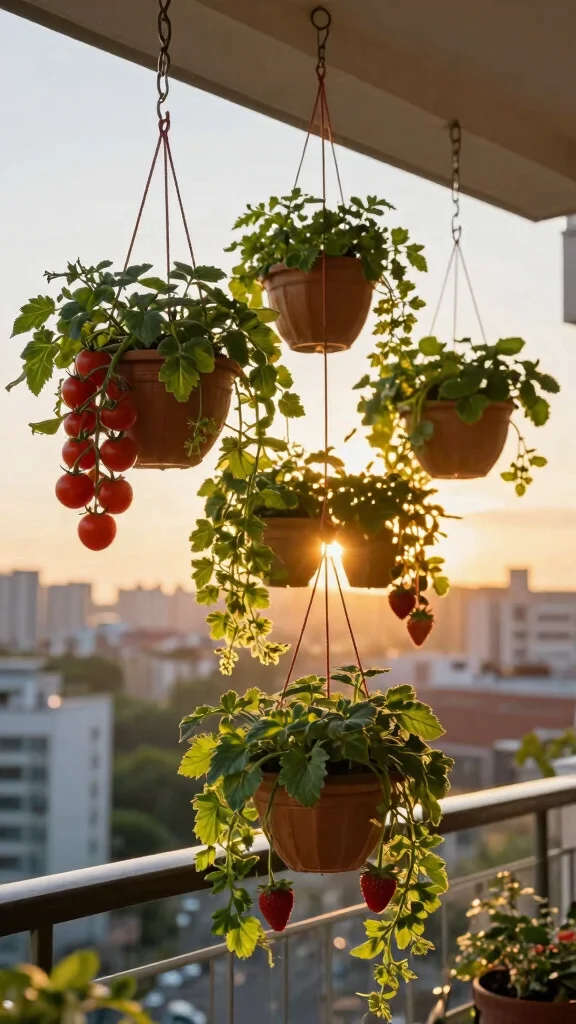
Elevate your kitchen garden with hanging baskets for a charming and whimsical touch. By suspending these baskets from ceilings or balcony railings, you can cultivate trailing plants like cherry tomatoes, strawberries, and ornamental herbs. Not only do they save space, but they also create a beautiful garden display.
Hanging baskets can transform any area into a delightful green space where you can easily reach for fresh produce.
Tips:
– Use a lightweight soil mix to keep baskets manageable.
– Regularly check moisture needs, especially during hot weather.
– Choose vibrant plants that will cascade over the edges for visual appeal.
This enchanting setup allows you to enjoy fresh fruits and veggies while adding charm to your home!
Recommended Products

High planting efficiency: Start an indoor herb garden with the Ahopegarden hydroponic growing system, which includes a water reservoir, an overhead LED grow light, and a circulation system that keeps the water fresh. The hydroponic setup and lighting systems allow plants to grow up to faster and healthier in controlled conditions. Simply add plant seeds, water, and nutrients to the reservoir and watch the plants grow


5 TIMES FASTER GROW: Hydroponics growing system with a 24-watt LED light that simulates the effects of sunlight which promotes photosynthesis for plants. Even if leave indoor garden in a corner, plants also germinate and grow quickly. Harvest fresh all year round. indoor herb garden LED panel can be adjusted to 180°maximum and 21 inches maximum height. Compact design fits on any windowsill or kitchen shelf, gardening gifts for women
5. Window Box Gardens
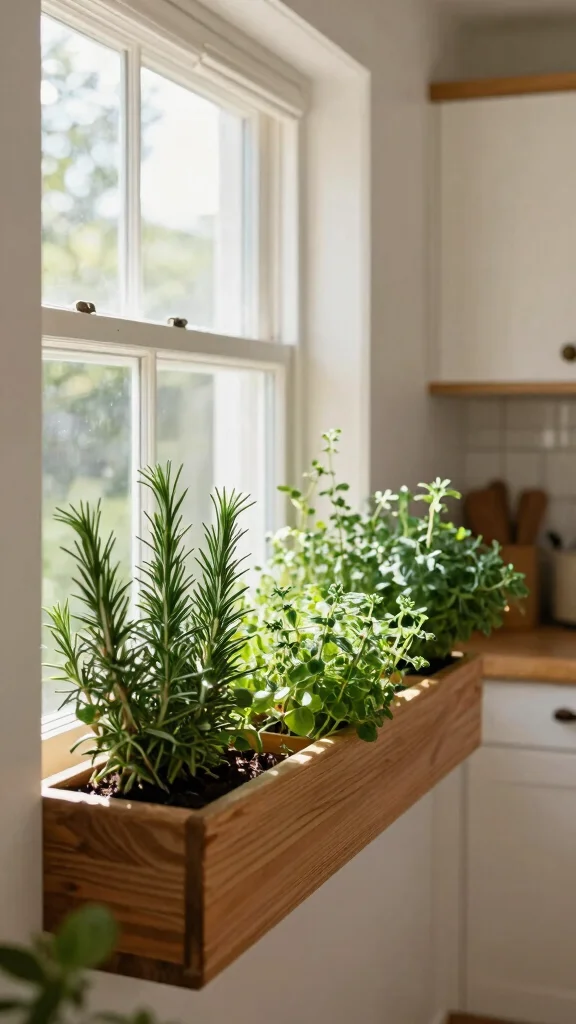
Window boxes are an ideal way to introduce a small kitchen garden right at your windowsill. These charming boxes can be attached to your kitchen windows, allowing you to grow fragrant herbs and small vegetables while enjoying the outside view. Consider filling them with aromatic herbs like rosemary, thyme, and chives for easy access while cooking.
They receive plenty of sunlight, making them perfect for plant growth, and they enhance your window views beautifully.
Benefits:
– Abundant natural light perfect for plants.
– Enhances the aesthetic of your window.
– Simple to maintain and water.
Embrace this lovely garden style that combines practicality with the beauty of nature effortlessly!
Recommended Products

【36 Pocket Vertical Garden】Features 36 individual planting pockets, allowing you to grow herbs, flowers, succulents, strawberries, vegetables, and other plants while maximizing vertical space.

INSTANT VERTICAL GARDEN: Transform any space into a lush vertical garden with this ready-to-use wall-mounted planter. Enjoy fresh herbs, vibrant succulents, or beautiful flowers effortlessly – no assembly required! Perfect for small apartments, patios, balconies, or any area where floor space is limited. This sleek indoor wall planter lets you maximize your greenery vertically.

6. Indoor Garden Shelves
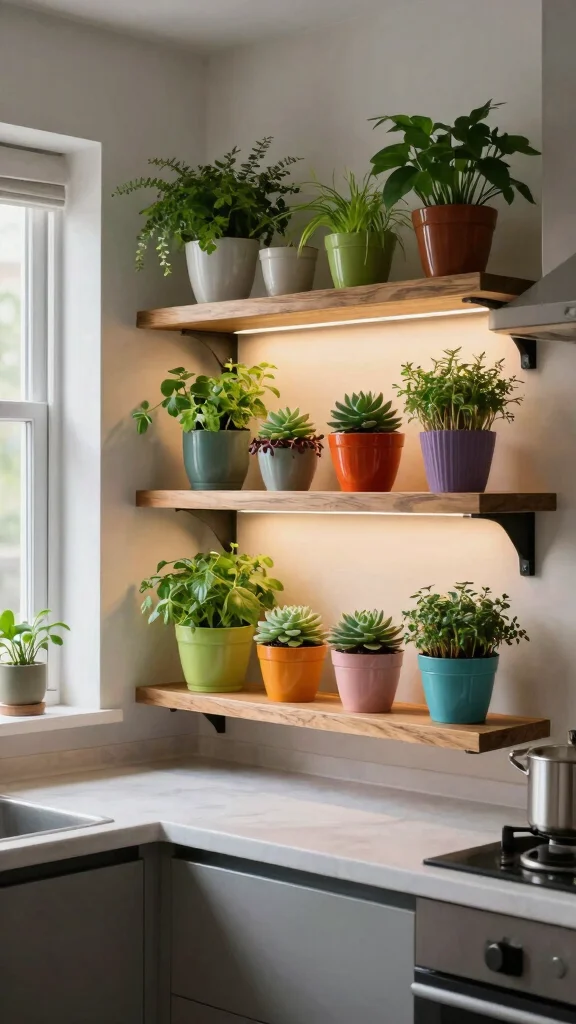
Looking to breathe life into your kitchen? Installing shelves can create a mini indoor garden that is both functional and attractive. Use these shelves to showcase a variety of edible plants like herbs, succulents, or microgreens. The vertical space adds dimension, and the plants can help purify the air while adding vibrant colors to your kitchen.
With just a few simple arrangements, you can have an engaging green space that doesn’t take up much room.
Ideas:
– Combine different plant types for a layered appearance.
– Use decorative pots to enhance aesthetics.
– Ensure adequate lighting from windows or consider grow lights.
This stylish solution brings freshness into your kitchen without demanding too much space!
Recommended Products

Vertical, Space-Saving Design – Stackable 3-tier planter ideal for patios, balconies, decks, and small-space gardening
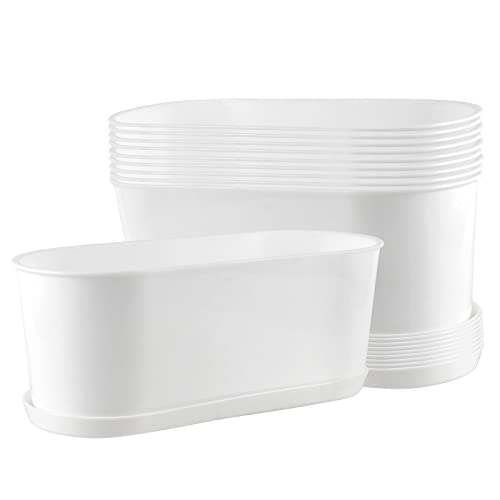
MATERIAL - Package includes 10 9 x 3.5 x 3.3-inch plastic rectangle plant planter. Made of thickened plastic, the window boxes with saucers are sturdy, not deformed, warp and crack or color fading easily and can last for a long time.
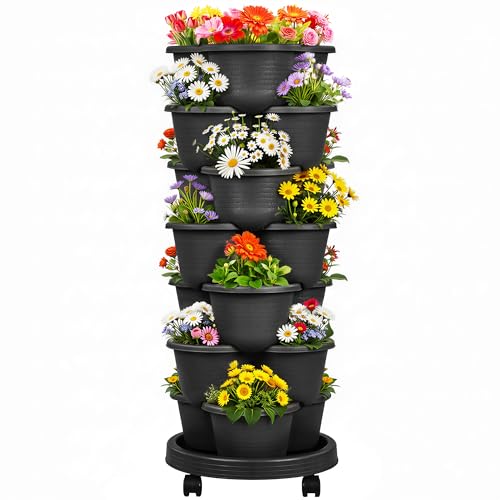
Space-Saving : This strawberry planter maximizes your gardening space by stacking 7 layers to grow more plants in a compact area. The strawberry tower planter is ideal for patios, balconies, or indoor use
How To Choose the Right Small Kitchen Garden System
When it comes to creating a small kitchen garden, the right setup can make a big difference. Whether you’re working with limited space on a balcony or a tiny backyard, your choices will impact how lush and productive your garden becomes. Follow these guidelines to select the best system for your needs.
1. Size Matters
Consider how much space you have available. Measure your balcony or kitchen area where the garden will go. Aim for height and vertical space if floor area is limited. Vertical herb walls and stackable planters are great options for smaller spaces. You want to make sure you have enough room for the plants to grow without overcrowding.
2. Material Choice
The material of your garden system is crucial for durability and plant health. Common materials include wood, metal, plastic, and fabric. Wooden planters offer a rustic look but require maintenance. Metal containers can retain heat, which is good for some plants but not for others. Consider the climate in your area when choosing materials to ensure they will last.
3. Light Requirements
Different plants have different light needs. Check the amount of sunlight your space gets throughout the day. If your kitchen garden will be in a shady spot, opt for shade-tolerant plants like lettuce or herbs. If you get full sun, you can grow a wider variety, including tomatoes and peppers. Knowing this helps you choose plants wisely.
4. Drainage Capabilities
Proper drainage is vital for plant health. Ensure your chosen system has drainage holes or the ability to drain excess water. Overwatering can lead to root rot and other issues. Look for elevated pots or containers with a self-watering feature if drainage is a concern.
5. Accessibility and Maintenance
Think about how easily you can access your garden for watering, harvesting, and pruning. Choose a setup that allows you to care for your plants comfortably. Raised beds or wall-mounted gardens can reduce bending and make maintenance easier. This will help keep your kitchen garden thriving.
6. Budget Considerations
Gardening can be as budget-friendly or expensive as you want it to be. Consider how much you’re willing to spend on containers, soil, and plants. There are many affordable options available, such as recycled containers. Remember that investing in quality materials can save money in the long run, as they may last longer.
Pro Tip: Start small! Choose a few herbs or easy-to-grow vegetables like radishes or spinach. This will allow you to learn and adjust your setup without feeling overwhelmed. Once you’re comfortable, you can expand your garden and explore more plant varieties. Happy gardening! 🌱
Recommended Products

6-TIER HERB DRYING RACK: D24 x H47 inch drying rack for herbs. The outdoor drying rack enable fast drying for plants, nuts, herbal seeds, flowers, veggies, fish, clothes including socks, bra, underwear, gloves, scarf, baby clothes, etc. and dry almost anything securely. You can also use the drying net for herbs to ventilate and dry the freshly harvested seeds before seed storage. Featuring 6 individual drying trays that prevent cross-mixing, this space-saving hanger efficiently organizes your drying process.

Package Includes: You will receive a 3-pack of coconut fiber hanging baskets for indoor or outdoor plants. Each basket measures approximately 12 inches in diameter and 5.7 inches deep, providing ample space for healthy root growth and creating an ideal growing environment for your plants
7. Edible Flower Garden
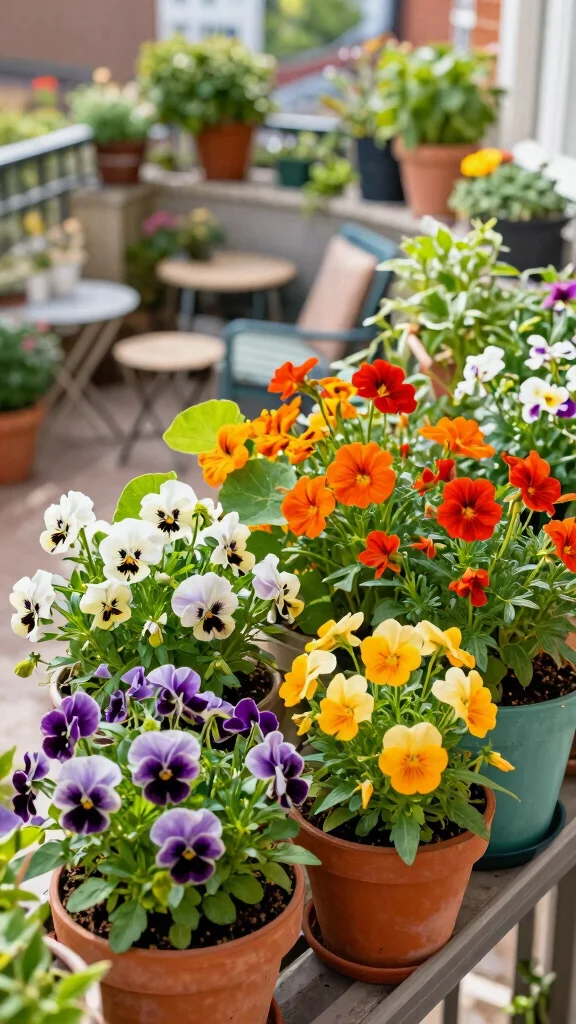
Want to add beauty and flavor to your dishes? An edible flower garden is the perfect solution! Flowers like nasturtiums and pansies not only brighten up your garden but also bring unique tastes to salads and desserts. You can easily grow them in pots around your patio or balcony for a delightful touch.
With a little care, these flowers can transform your meals into visual and culinary masterpieces.
Considerations:
– Ensure flowers are pesticide-free and safe for consumption.
– Combine different colors and sizes for a striking display.
– Harvest fresh for the best flavors.
An edible flower garden adds beauty while turning everyday meals into an artistic experience!
Recommended Products

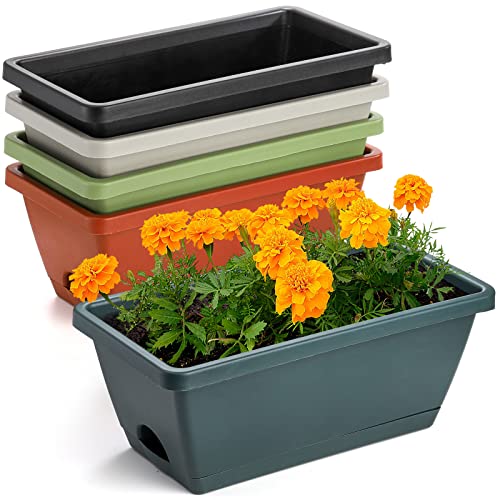
【Perfect Size】 6 Pack Window planter with tray : L16.6 x W6.7 x H5.9 inches (42*17*15CM);10 plant labels, and a set of mini garden tools. HOXHA flower boxes are large enough to support any projects and ideas. They are the right choice to plant miniature roses, tulips, carnations, or other flowers, vegetables, and fruits.
High Quality - Hedume planter box is made of premium plastic, which is durable and allows you to reuse the planter for several seasons.
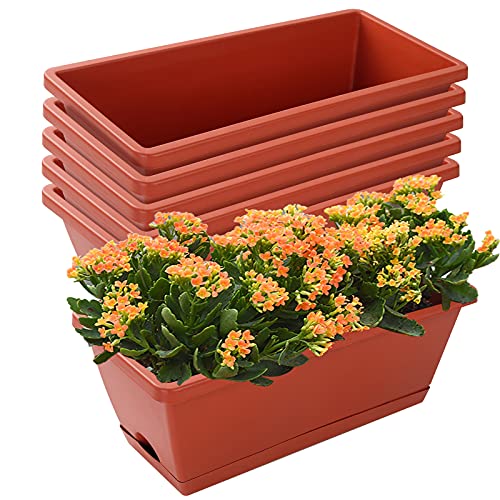
WINDOW BOX PLANTERS DIMENSIONS - Includes pack rectangular plastic planters. The size of plastic flower planters: L16.6 x W7 x H5.9 inches, large enough to support any projects and ideas. Great for herbs, flowers, foliage, grass, cactus, succulents, ferns, arborvitae and more.
8. Recycled Container Gardening
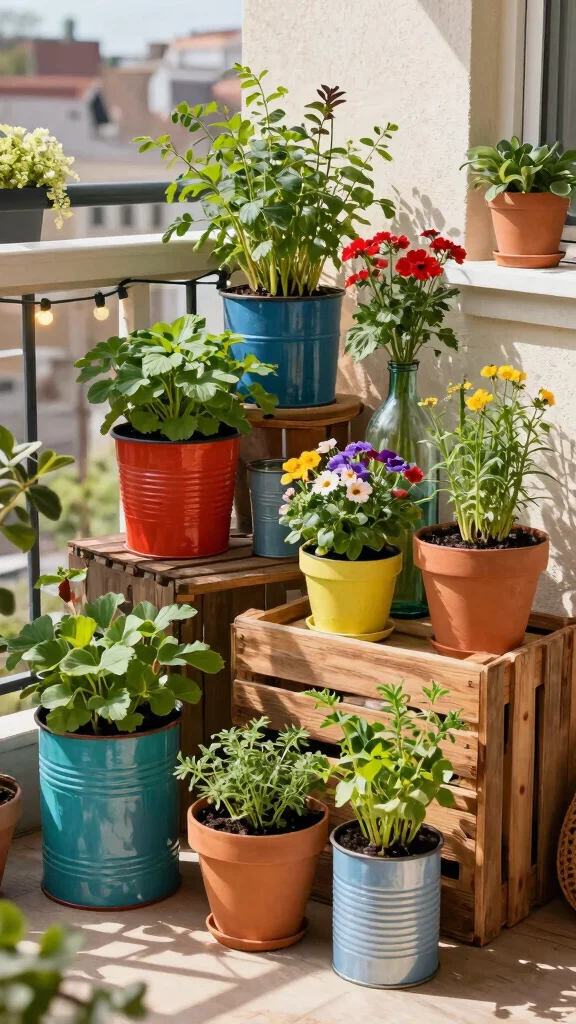
Looking for a fun and sustainable gardening project? Recycling old containers into a garden can unleash your creativity! From tin cans to wooden crates, you can transform almost anything into a planter. Customize them with paint or decorative touches to fit your style, providing a personal flair to your small garden.
Not only does this save money, but it also gives new life to old items.
Suggestions:
– Make sure containers have drainage holes for healthy plants.
– Use colorful designs to add character.
– Select easy-to-grow plants for a successful garden.
By reimagining old containers, you’ll create a garden that’s truly unique!
Recommended Products

Effortless Indoor Gardening for Every Home: Transform your indoor gardening experience with LetPot’s innovative smart hydroponic growing system. Perfect for busy homeowners, young families, or anyone who loves fresh herbs and veggies year-round, this easy-to-use system seamlessly integrates into your kitchen or living space. Whether it’s the chill of winter or the height of summer, LetPot ensures your plants thrive in any season.

High planting efficiency: Start an indoor herb garden with the Ahopegarden hydroponic growing system, which includes a water reservoir, an overhead LED grow light, and a circulation system that keeps the water fresh. The hydroponic setup and lighting systems allow plants to grow up to faster and healthier in controlled conditions. Simply add plant seeds, water, and nutrients to the reservoir and watch the plants grow

PATENTED SMART HYDROPONIC SYSTEM: Take your indoor gardening to the next level with our patented smart hydroponic system, featuring the exclusive LetPot app. With just a few taps on your phone, you can effortlessly adjust the 0-24 hours LED lighting schedule to provide your plants with the perfect amount of light and precies on/off time. Our innovative reminder system also ensures you never forget to water your plants again, making growing healthy and vibrant plants easier than ever before.
9. Aquaponic and Hydroponic Systems
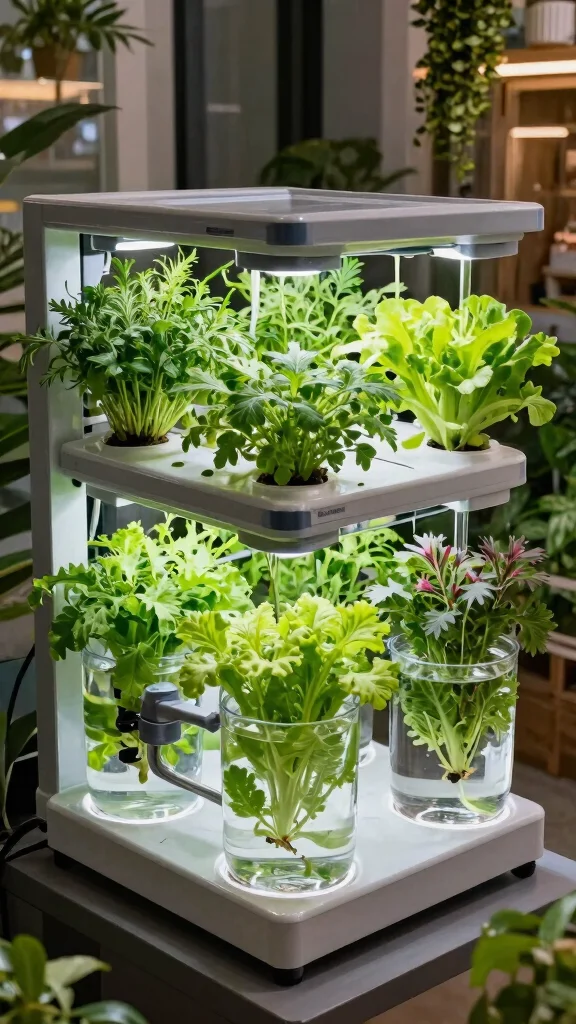
Ready to try something cutting-edge? Aquaponic and hydroponic systems are innovative ways to grow plants without soil. These methods use nutrient-rich water, making them ideal for small spaces, and you can cultivate a variety of vegetables and herbs. Aquaponics even allows you to raise fish alongside your plants, creating a unique ecosystem.
Although these systems may require some initial setup and investment, the benefits are abundant, yielding lush gardens in limited areas.
Benefits:
– Eco-friendly and sustainable gardening options.
– Efficient water and nutrient usage.
– Perfect for urban environments.
Dive into this fascinating gardening method and enjoy the rewards it brings!
10. Compact Vegetable Garden
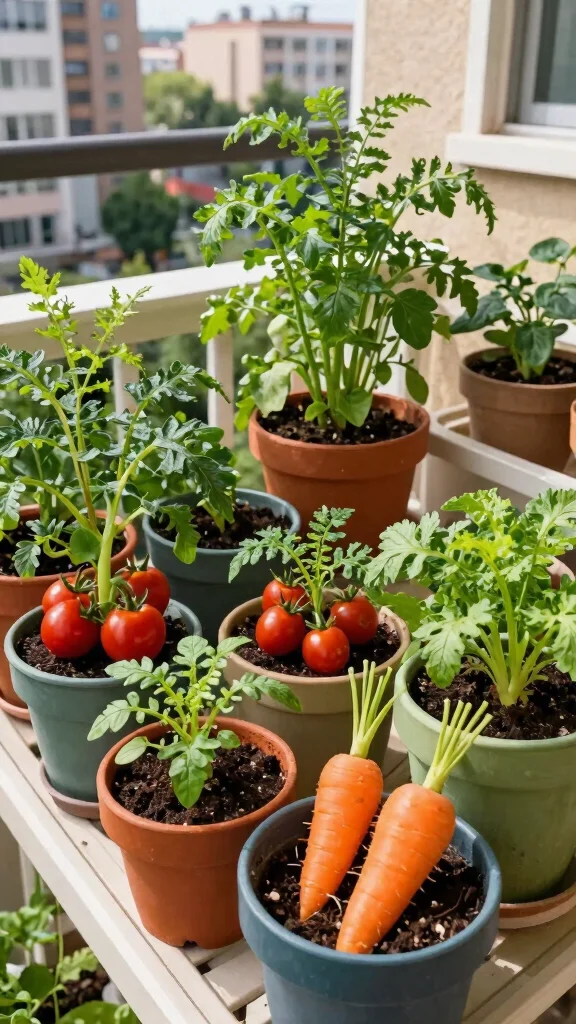
Think you can’t have a vegetable garden in a small space? Think again! You can grow a full vegetable garden with compact or dwarf varieties like baby carrots, cherry tomatoes, or bush beans. These plants are perfect for container gardening and yield surprisingly high harvests in small areas.
With a little planning, you can enjoy fresh produce right from your home.
Essential Tips:
– Choose companion plants that grow well together.
– Use vertical supports to maximize space and allow plants to grow up.
– Regularly check for pests to keep plants healthy.
A small vegetable garden provides not only fresh food but also a fulfilling gardening experience!
Think a tiny balcony can’t host a small kitchen garden? Think again: with compact varieties and vertical planters, you’ll harvest tomatoes, carrots, and beans right from home in just a few weeks.
11. Succulent Vertical Garden
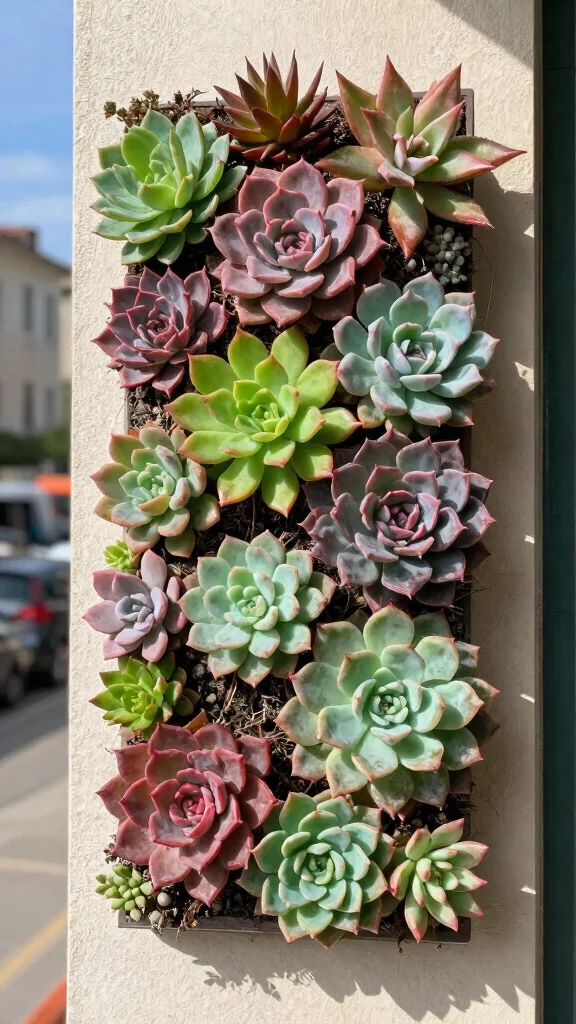
Succulents are not just trendy; they are also perfect for small gardens! Creating a vertical garden with these hardy plants allows for stunning designs that require little watering. Succulents thrive in various conditions and can be placed in colorful containers to brighten any wall or fence.
This low-maintenance garden option gives you a beautiful display with minimal effort.
Benefits:
– Drought-resistant and easy to care for.
– Adds vibrant color to your space.
– A stylish choice for any urban garden.
Mix different types of succulents for a captivating display that enhances your garden with charm!
12. DIY Planter Boxes
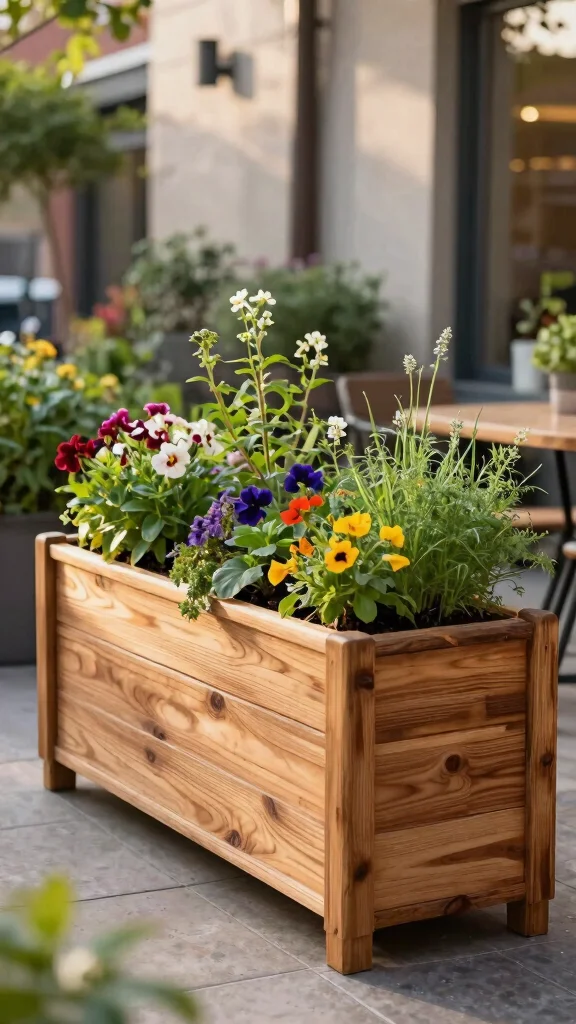
If you love woodworking, building your own planter boxes can be a fun and fulfilling project. These customizable boxes allow you to grow anything from flowers to vegetables, fitting perfectly in your desired space. Paint or stain them to match your decor, creating unique planters that add character to your garden.
This hands-on project lets you cultivate a lush kitchen garden tailored to your style.
Tips:
– Use untreated wood to keep your plants safe.
– Drill drainage holes for optimal plant health.
– Consider using a liner to protect the wood.
Building your own planter boxes not only personalizes your space but also enhances your gardening experience!
Conclusion
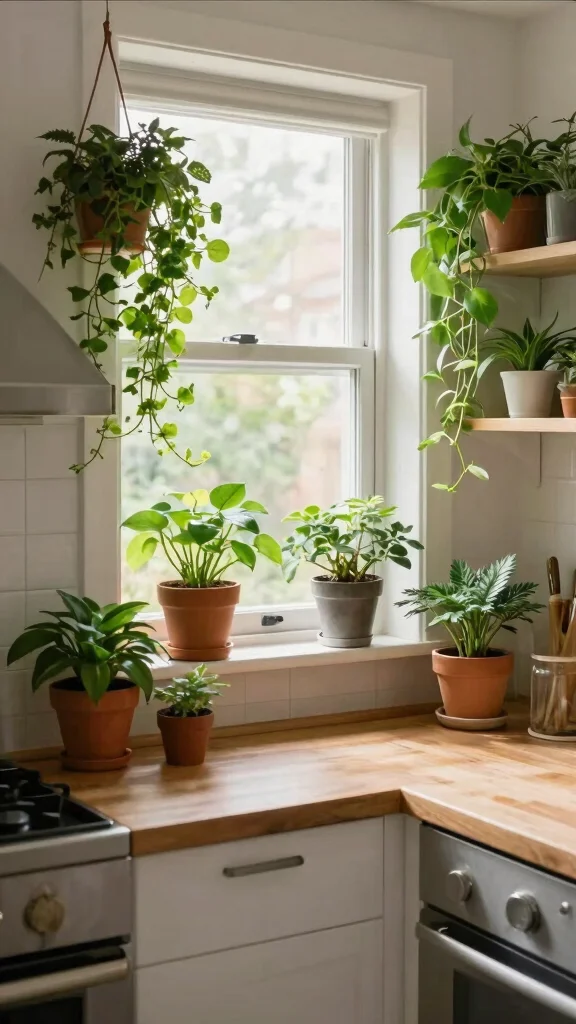
Creating a small kitchen garden in an urban space can be both a fulfilling and rewarding experience.
With the clever ideas outlined, you can maximize your limited space, fill your home with greenery, and enjoy fresh produce right from your garden.
Consider incorporating one or more of these ideas into your living area—your kitchen will thank you for it!
Note: We aim to provide accurate product links, but some may occasionally expire or become unavailable. If this happens, please search directly on Amazon for the product or a suitable alternative.
This post contains Amazon affiliate links, meaning we may earn a small commission if you purchase through our links, at no extra cost to you.
Frequently Asked Questions
What are the best vertical ideas for creating a small kitchen garden on a balcony or in a tight urban space?
Vertical ideas for a small kitchen garden on a balcony or in a tight urban space can feel lush with the right setup. Start by choosing sturdy, lightweight containers and a vertical system you’ll actually use—railing planters, wall-mounted pockets, or a compact trellis that fits your space. For a practical edible mix, focus on edible plants that thrive in containers: basil, chives, parsley, lettuce, spinach, cherry tomatoes, and strawberries. Position taller planters toward the back and let trailing herbs drape over the edge for a lush, layered look.
Next, map your light and water needs. Check how many hours of sun your balcony gets and select plants accordingly. Use a well-draining potting mix and a simple watering plan—consider a self-watering container or a shallow reservoir to reduce daily care. Finally, keep things neat with container gardening tips: group plants by water needs, prune regularly, and refresh the soil each season to keep your small kitchen garden thriving.
How can I maximize yield in a small kitchen garden using container gardening?
Maximizing yield in a small kitchen garden comes down to high-density planting, smart variety choices, and consistent care. Start with compact, container-friendly varieties like dwarf tomatoes, bush beans, peppers, lettuce, and herbs. Use vertical space with a trellis or stacked planters to grow climbers in a limited footprint. Practice succession planting: harvest quick greens and herbs every couple weeks and immediately replace them with new plantings. Use high-quality potting mix, regular feeding with a balanced liquid fertilizer, and ensure good drainage. Water consistently and mulch to retain moisture. Keep a calendar of sowing and harvesting to stay on track, and you’ll squeeze a surprisingly big harvest from a small small kitchen garden setup and container gardening routine.
Which edible plants are easiest for a beginner to grow in a vertical small kitchen garden in urban spaces?
Great question for beginners: start with forgiving, compact edibles. Fresh herbs like basil, cilantro, parsley, and chives are hard to kill in a sunny balcony. Leafy greens such as lettuce, spinach, and arugula grow quickly in shallow containers. For color and protein, try cherry tomatoes on a trellis or strawberries in hanging pots. For spice lovers, peppers and radishes are great options in urban gardening setups. Choose a few you actually cook with to keep motivation high and you’ll be amazed how lush a vertical garden can feel with just a handful of plants.
How can I prevent pests and diseases in a balcony garden or urban kitchen garden?
Prevention beats treatment in a tiny balcony garden. Start with good airflow, avoid overcrowding, and use clean tools to prevent spreading disease. Water at the base to keep foliage dry, and use well-draining containers to reduce root rot. Regularly inspect leaves for signs of pests like aphids or whiteflies, and wipe them off or wash them away. For mild infestations, try insecticidal soap or neem oil and recheck in 48 hours. Encourage beneficial insects by planting a few flowering companions away from heavy vegetables. Rotate crops each season to disrupt disease buildup, and keep soil healthy with fresh compost or high-quality potting mix. With small space discipline, your urban gardening efforts stay productive and pest-free.
What quick-start steps can I take to set up a lush vertical garden in a balcony or compact kitchen space?
Here’s a fast-start plan to transform a balcony into a lush vertical garden. First, assess sun exposure and pick a vertical system that fits your space—railing planters, pocket walls, or a tall trellis. Then choose a ready-to-grow mix of edible plants like herbs and compact greens. Gather lightweight, drainage-friendly containers, and line up a simple irrigation plan (drip or self-watering pots). Install the structure, pot up your plants, and label everything. Create a basic care routine: water when the top inch of soil dries, feed every 2–3 weeks, and prune regularly to encourage bushier growth. Finally, keep your space organized and rotating seasonal crops to maintain a continually lush small kitchen garden setup for urban gardening life.
Related Topics
small kitchen garden
urban gardening
container gardening
balcony garden
edible plants
vertical gardening
beginner friendly
space-saving solutions
easy gardening
DIY garden projects
herb garden
sustainable living